Quick Answer
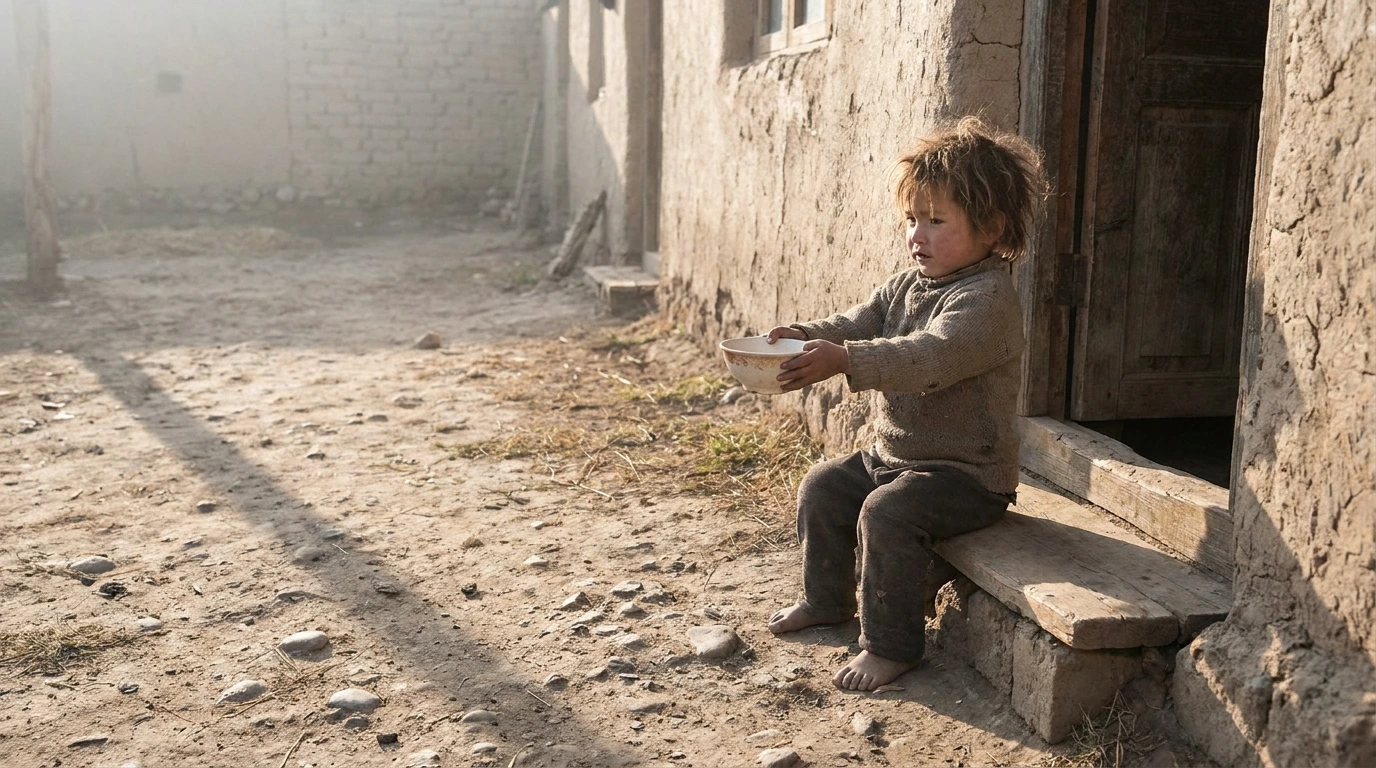
Child poverty means a child lacks the income or the basic things needed for a normal life. It is measured in two ways. Monetary poverty counts household income against a line, such as US$3 a day. Multidimensional poverty counts what a child actually goes without, such as a toilet, clean water or a school place. Today, 417 million children in low and middle income countries are severely deprived in at least two of these areas, and more than 19% of all children worldwide live on under US$3 a day.
Child poverty is about children, not just households. A family can earn enough to pass an income test while the child still has no toilet, no safe water and no school. That is why the two measures exist, and why the numbers you read can look so different from one report to the next. The global figures below come from the UNICEF State of the World’s Children 2025 report and the joint World Bank and UNICEF child poverty update released in 2025. For the wider background on how poverty itself is measured, see our guides on absolute poverty and relative poverty.
The current global picture:
- 417 million children severely deprived in at least two vital areas
- More than 19% of children (about 412 million) in extreme monetary poverty
- About 50 million children in relative poverty across 37 high income countries
Table of Contents
How Is Child Poverty Measured?
The measure decides which figure you are reading, so it comes first.
Monetary child poverty counts household income or spending against a poverty line. It sits behind most headline statistics and is the measure used to compare countries.
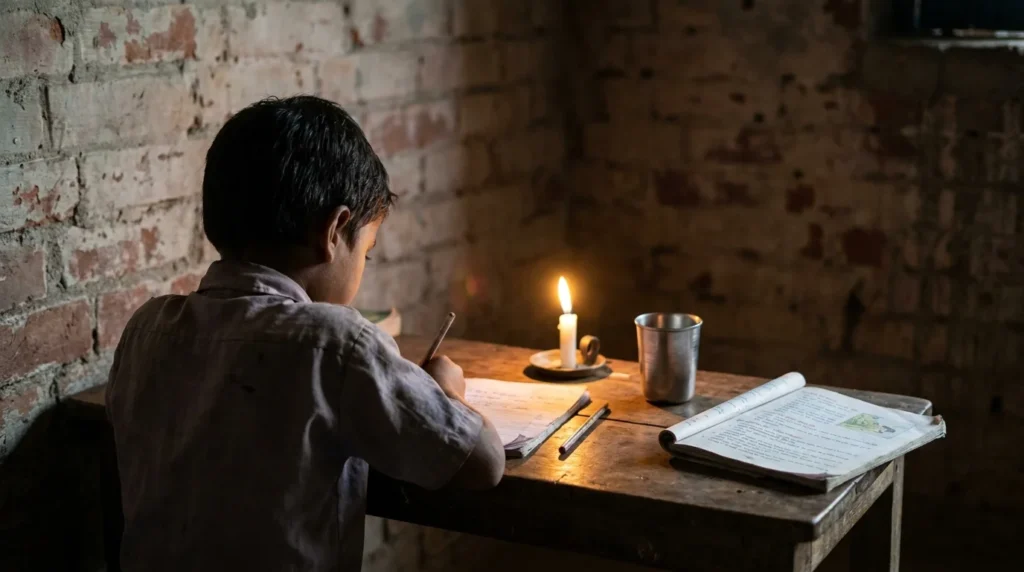
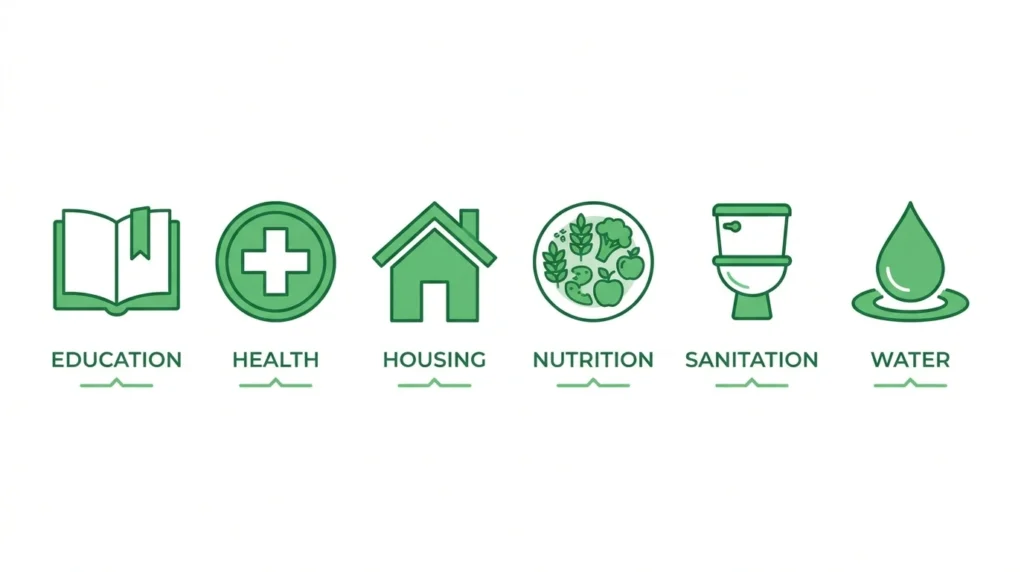
Multidimensional child poverty counts the things a child actually lacks. UNICEF measures severe deprivation across six areas: education, health, housing, nutrition, sanitation and water.
A household can clear the income line while the child still has no toilet, no school place and no safe water. Income measures record that household as not poor. That gap is the reason both measures exist.
| Measure | What it counts | Headline figure (2025) |
| Monetary | Household income or spending against a poverty line | More than 19% of children live on under US$3 a day |
| Multidimensional | Severe deprivation in education, health, housing, nutrition, sanitation and water | 417 million children deprived in 2 or more areas |
| Relative (rich countries) | Household income below 60% of the national median | 50 million children (23%) across 37 high income countries |
Multidimensional Child Poverty
UNICEF reports that 417 million children in low and middle income countries, more than one in five, are severely deprived in at least two of the six areas.
The depth varies sharply:
- 417 million face two or more severe deprivations
- 118 million face three or more
- 17 million face four or more
Sanitation is the most widespread deprivation. Around 65% of children in low income countries have no access to a toilet. That falls to 26% in lower middle income countries and 11% in upper middle income countries. Water is a close second, and our article on how many people do not have access to clean water shows how large that gap still is.
Progress has slowed rather than reversed. The share of children facing one or more severe deprivations fell from 51% in 2013 to 41% in 2023, but the pace of improvement has dropped.
Monetary Child Poverty
More than 19% of children worldwide, about 412 million in 2024, live in extreme monetary poverty, which the World Bank defines as living on less than US$3.00 per day. That is down from 507 million in 2014, so the trend is positive but slow.
Nearly 90% of those children live in Sub Saharan Africa and South Asia. Child poverty is a far more concentrated problem than global averages suggest.
The World Bank also applies different poverty lines by country income level:
- US$3.00 per day for low income countries
- US$4.20 per day for lower middle income countries
- US$8.30 per day for upper middle income countries
A child above the US$3.00 line in a middle income country can still be poor by the standard that fits where they live. Measured at the US$8.30 line, nearly two thirds of the world’s children (about 1.4 billion) are poor.
Does Child Poverty Exist in Wealthy Countries?
Yes. Rich countries measure relative poverty, commonly defined across the EU and UK as household income below 60% of the national median.
Across 37 high income countries, about 50 million children, or 23%, live in relative monetary poverty.
That figure surprises people, and the reason is the measure. These children are usually not short of food or water. They lack the income to take part normally in the society around them. It shows up in school trips, activities, clothing, housing stability and the ability to absorb an unexpected cost. The effects on health, learning and stress are covered in our guide on how poverty affects children.
Where Does Child Poverty Concentrate?
Child poverty is not evenly spread, either between countries or within them.
Sub Saharan Africa and South Asia hold the highest multidimensional child poverty rates. In Chad, 64% of children face two or more severe deprivations and just under 25% face three or more. Sub Saharan Africa alone holds about three quarters of all children in extreme monetary poverty.
Within countries, the pattern repeats. Rural households, large households, and households headed by a single parent or by someone with little schooling carry higher rates almost everywhere the data exists. The deeper drivers are explained in our article on what causes poverty.
Why Are Children Measured Separately?
Three reasons justify treating child poverty as its own category rather than a part of household poverty.
- Children are poorer than adults almost everywhere. Households with children carry higher poverty rates than households without them, in both rich and poor countries.
- Deprivation at a young age lasts. Gaps in nutrition, health and schooling in early childhood shape adult outcomes in ways that later improvements do not fully reverse.
- Children have no control over household income. They cannot work, move, or change the situation producing their deprivation, which is the case for measuring and targeting them directly.
How Is Child Poverty Reduced?
The interventions with evidence behind them fall into three groups.
Direct income transfers. Child benefits and unconditional cash transfers raise household income right away. The clearest example is the United States. When the Child Tax Credit was expanded in 2021, child poverty under the Supplemental Poverty Measure fell from 9.7% in 2020 to 5.2% in 2021, a record low. When the expansion expired, the rate jumped to 12.4% in 2022. Few examples show as plainly that child poverty responds directly to policy.
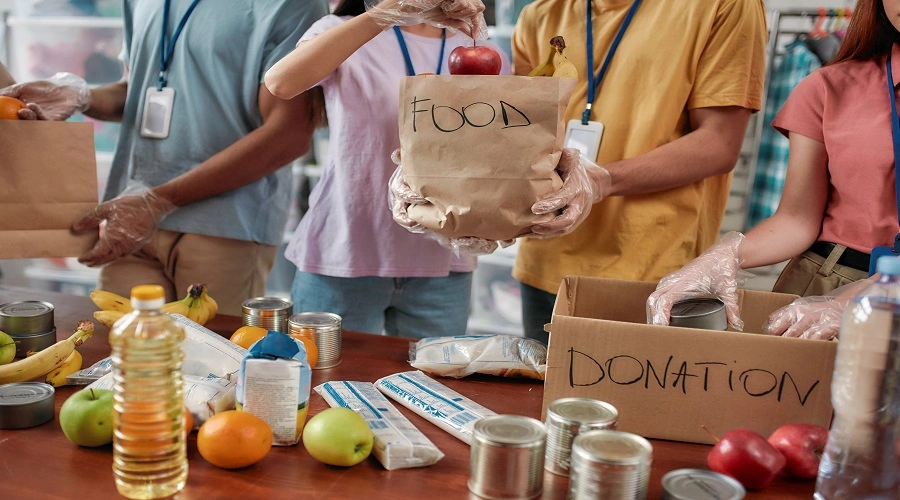
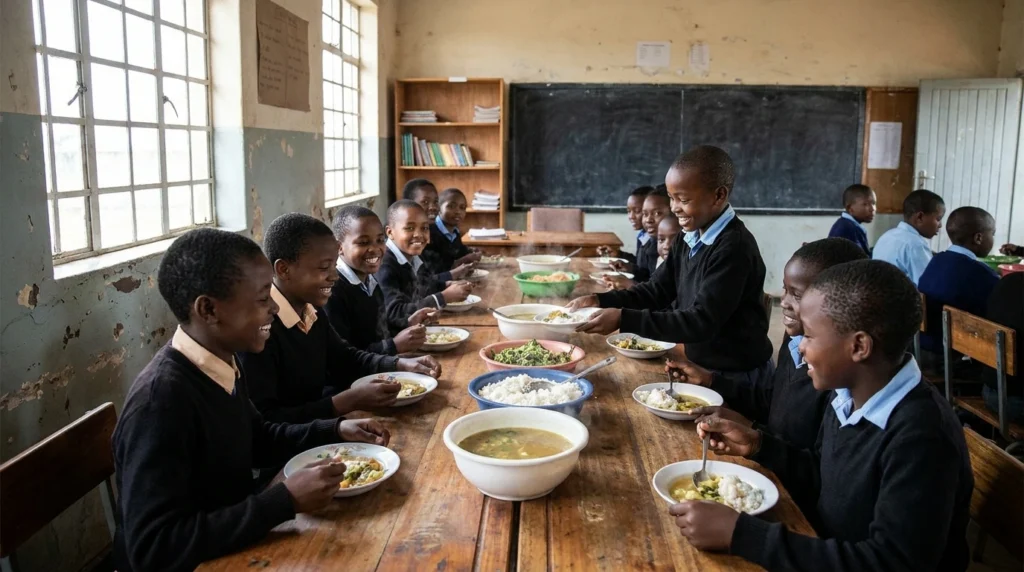
Universal basic services. Free schooling, school meals, vaccination and clean water fix deprivations that income alone does not, especially where there is no service to buy. This is why Darul Infaq runs educational assistance and fresh meals programs alongside cash help.
Sanitation and water infrastructure. Since sanitation is the single most widespread deprivation, infrastructure investment reaches more children per dollar than most alternatives.
Orphans sit at the sharpest end of child poverty because they lose both income and care at once. Our orphan support program covers food, schooling and health for children with no one else to provide them. You can read more about how we fix poverty and how a child sponsorship works in practice.
Calculated your zakat on gold? Pay it where it reaches those who qualify.
Give Your Zakat Now →Frequently Asked Questions
How many children live in poverty worldwide?
417 million children in low and middle income countries face two or more severe deprivations, and more than 19% of children globally (about 412 million) live on under US$3 a day.
What is the difference between child poverty and extreme poverty?
Extreme poverty is a single income threshold, currently US$3 a day. Child poverty covers both income measures and multidimensional deprivation across health, education, water, sanitation, nutrition and housing.
Which country has the highest child poverty rate?
Rates are highest across Sub Saharan Africa. In Chad, 64% of children face two or more severe deprivations, among the highest recorded for any country.
Does child poverty exist in developed countries?
Yes. Around 50 million children across 37 high income countries live in relative poverty, measured as household income below 60% of the national median.
Can child poverty be eliminated?
Extreme child poverty responds directly to income transfers and basic services, as the 2021 US Child Tax Credit showed. Relative poverty cannot be fully eliminated, since it measures a child’s position within a national income spread, but it can be cut sharply.