Quick Answer
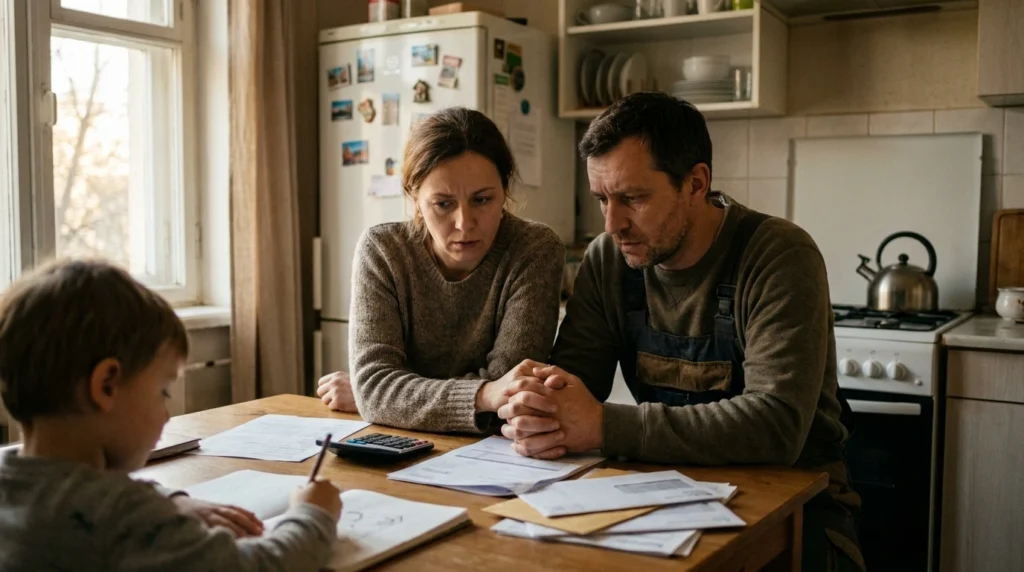
Poverty affects children’s brain development, physical health, education, housing stability and stress levels, and the strongest evidence now suggests that low income itself is part of the cause, not just a marker of other problems. When the expanded U.S. Child Tax Credit ended, child poverty more than doubled in one year, from 5.2% in 2021 to 12.4% in 2022, even though families’ pre-tax incomes barely changed. In 2025, the official child poverty rate fell to a historic low of 13.4%, but that still means roughly one in seven American children lives below the line.
The effects cluster in five areas:
- Early brain development
- Physical health and birth outcomes
- Educational attainment
- Housing and school stability
- Chronic stress exposure
This article looks at each one, using the best available research, and ends with what the evidence shows actually helps. For the wider picture, Wikipedia’s overview of child poverty in the United States traces how the measures and rates have changed over time.
How Does Poverty Affect a Child’s Brain Development?
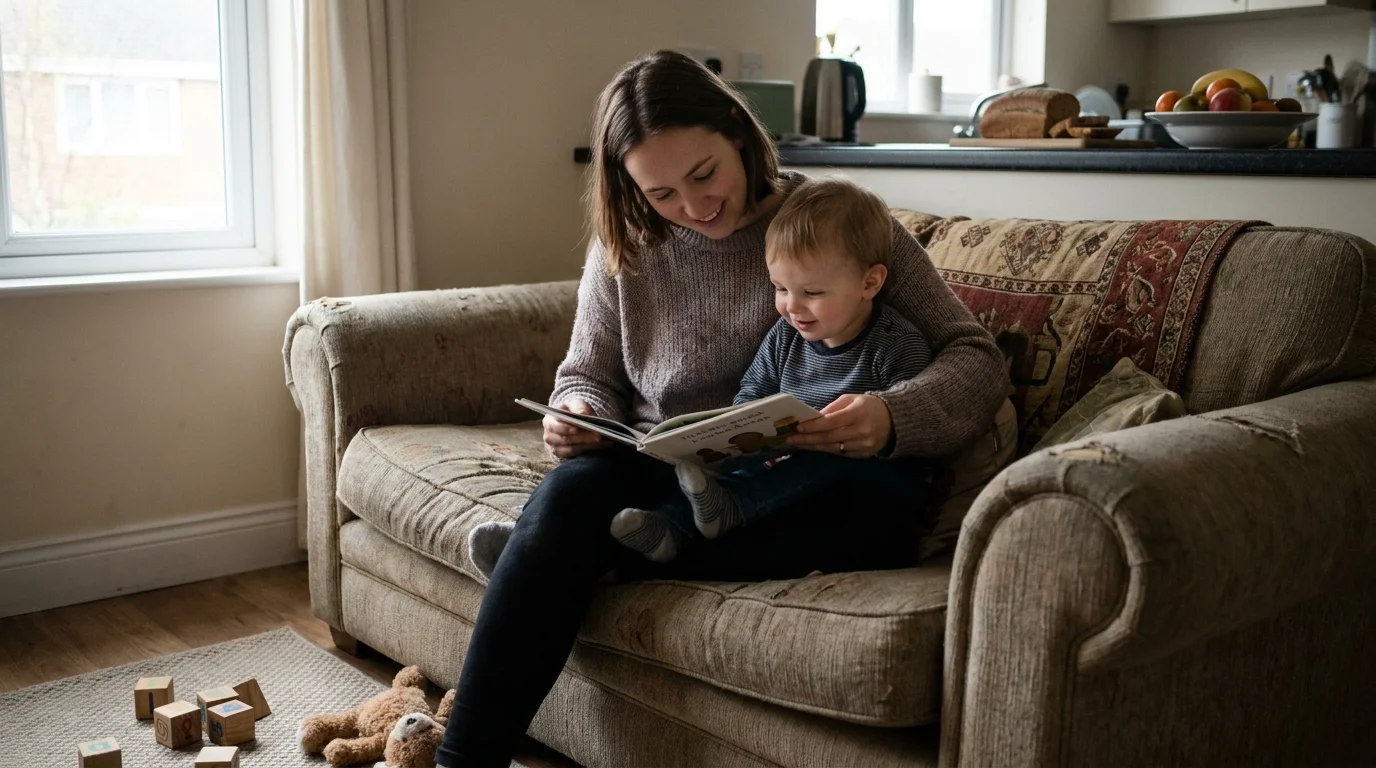
Baby’s First Years is the first U.S. randomized trial to test whether giving cash to low-income mothers changes how their children develop. Researchers recruited 1,000 mothers with incomes below the federal poverty line from postpartum wards in New York City, New Orleans, the Omaha metro area and the Twin Cities between May 2018 and June 2019.
Mothers were randomly assigned to receive either $333 or $20 a month, a difference of $3,756 a year, for the first years of their child’s life. The payments were later extended to 76 months. Because the groups were chosen at random, any difference between them comes from the money rather than from the families themselves.
At age one, infants in the high-cash group showed more high-frequency brain activity on EEG scans, a pattern often linked to later thinking and language skills. The researchers were careful to note that this is a difference in brain activity, not proof of faster development.
The later results matter just as much. By age four, the study found no statistically significant effects on children’s language, executive function, behavior or brain activity. The cash did change how parents spent their time and money: high-cash families bought more books and toys and spent more time reading and telling stories. A 2026 follow-up also found that the payments slowed children’s biological pace of aging, although it is not yet known whether that predicts adult health.
The honest summary is that early cash support changes what families can give their children, that early brain-activity differences were real but small, and that the long-term benefits are still being measured. Age-six and age-eight results are still to come.
What the Child Tax Credit Experiment Showed
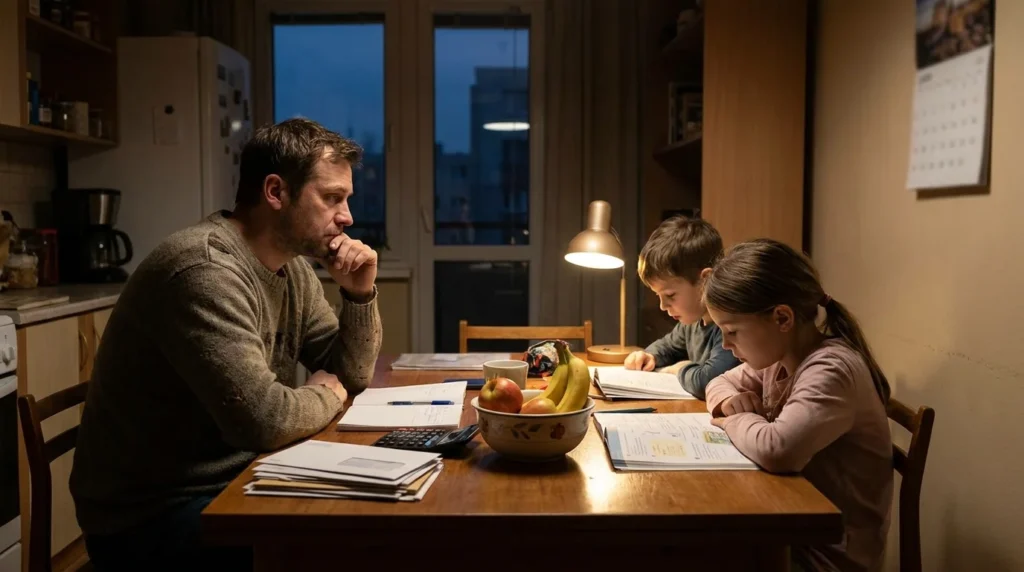
The 2021 expansion of the U.S. Child Tax Credit created a natural experiment at national scale, and its expiration created a second one.
Under the American Rescue Plan, the credit rose to $3,600 per child under six and $3,000 per child aged six to 17. For the first time, families with the lowest incomes qualified for the full amount, and half of it was paid monthly from July to December 2021. The expansion expired at the end of 2021.
Here is what followed, measured by the Census Bureau’s Supplemental Poverty Measure (SPM), which counts tax credits and benefits as income:
- Child poverty more than doubled, from 5.2% in 2021 to 12.4% in 2022, the largest one-year change since the measure began
- The number of children in poverty rose from 3.8 million to nearly 9 million
- Deep child poverty (income below half the poverty line) rose from 1.4% to 3.3%
- The credit kept 5.3 million people out of poverty in 2021, including 2.9 million children, but only 2.4 million people in 2022
The decisive detail is what did not change. The official poverty measure, which ignores tax credits, moved only from 11.6% in 2021 to 11.5% in 2022, because families’ pre-tax incomes held roughly steady. Only the policy changed.
The Center on Budget and Policy Priorities estimated that keeping the expansion would have held child poverty at about 8.4% rather than 12.4%, keeping roughly 3 million children above the line.
Where Child Poverty Stands in 2025
The Census Bureau’s report released on September 15, 2026 found that the official child poverty rate fell to 13.4% in 2025, a historic low. The Supplemental Poverty Measure put child poverty at 13.4% as well, essentially unchanged from the restated 2024 figure of 13.5%. For context, SPM child poverty was 13.7% in 2023.
Progress is real, but one in seven American children still lives below the poverty line, and far more live just above it. Our guide to what income is considered poverty level explains where that line sits for families of different sizes.
How Does Poverty Affect Children’s Physical Health?
Poverty affects health before birth and continues through childhood.
- Low birth weight is more common among infants born into low-income households, and it predicts developmental and health problems across the lifespan.
- Food insecurity affects growth, concentration and immune function, with effects that compound where it is persistent rather than occasional.
- Lead exposure remains concentrated in older, poorly maintained housing. The CDC lowered its blood lead reference value to 3.5 micrograms per deciliter in 2021 and states that no safe blood lead level in children has been identified. Roughly 500,000 American children aged one to five have levels at or above that threshold.
- Untreated conditions accumulate where families delay care over cost, including asthma, dental problems and vision difficulties that affect school performance directly.
For families in hardship, regular food is the first line of defense. Darul Infaq’s monthly groceries and fresh meals programs exist to close exactly this gap.
How Does Poverty Affect Education?
Educational effects appear before school starts and widen through it. Children from low-income households often arrive at kindergarten with measurable gaps in vocabulary and pre-literacy skills, and those gaps rarely close without intervention. School funding tied to local property taxes often gives the children with the greatest need the fewest resources.
Three mechanisms operate beyond the classroom: chronic absence driven by untreated illness, unreliable transport and caregiving duties; school mobility, where housing instability moves children between schools mid-year; and summer learning loss, although researchers now disagree about how much of the income gap forms over summers versus before school even begins.
We cover this in depth in our separate guide on how poverty affects education. For a child whose family cannot pay fees, educational assistance for tuition, books and uniforms is often what keeps them in school.
How Does Housing Instability Affect Children?
Housing instability produces effects that extend well beyond the housing itself. Frequent moves disrupt schooling, friendships and access to healthcare providers. Overcrowding affects sleep and study space. Eviction disrupts everything at once, and the effects persist after a family finds a new home.
Instability also undermines the relationships children rely on. A child who changes schools three times in a year loses the teacher continuity that identifies learning difficulties early. Emergency financial assistance with rent is one of the most direct ways to stop one missed payment from becoming a year of disruption.
How Does Chronic Stress Affect Children in Poverty?
Sustained stress in early childhood alters the developing stress response system. Researchers call this toxic stress: persistent activation, rather than the brief stress all children experience, is what produces lasting change.
The sources are specific:
- Food running out before the end of the month
- Household conflict over money
- Parental job insecurity and irregular hours
- Unsafe neighborhoods and housing
The pathway runs partly through caregivers. Financial strain reduces the attention and responsiveness parents have available for their children, which is one reason cash support shows effects on parenting behavior and not only on household budgets.
Does Childhood Poverty Follow Children Into Adulthood?
Often, yes. The Urban Institute estimates that nearly 9 million American children, about 12%, will grow up in persistently poor families, and that only 62% of persistently poor children finish high school, compared with 90% of children who were never poor. Pew Research found that 43% of Americans raised in the bottom fifth of incomes stay there as adults, and only 4% reach the top fifth.
This is why Darul Infaq treats orphan support and child sponsorship as long-term commitments rather than one-time gifts: the goal is to break the cycle, not to pause it.
Why the Early Years Matter Most
Research concentrates on the first few years because the brain develops fastest then and remains most adaptable. The Baby’s First Years researchers chose that window deliberately.
This does not mean effects become fixed. It means the same intervention tends to produce larger returns earlier, which is why income support for families with young children appears more cost-effective than later remediation.
What the Evidence Does Not Settle
Three limits apply:
- Effect sizes are modest in the short term. The brain-activity differences at age one were real but small, and the age-four results showed no significant cognitive effects. Long-term significance remains unestablished.
- Cash alone is not sufficient. Researchers consistently find that income support works better alongside healthcare access, childcare and housing stability than on its own.
- Much of the research is U.S.-based. Findings may not transfer directly to countries with different healthcare systems, housing markets and social protection structures.
What Actually Helps
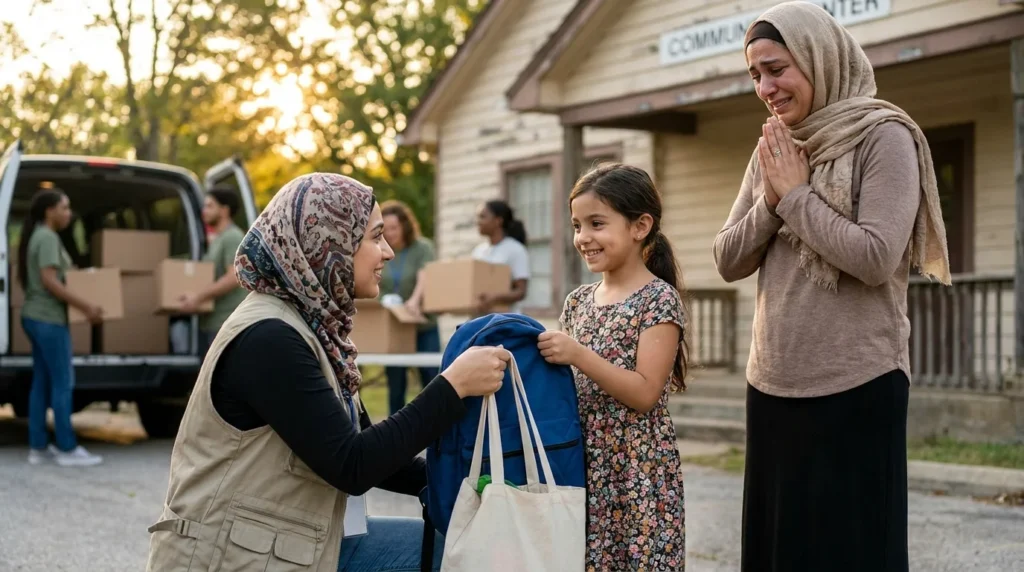
The clearest lesson from the Child Tax Credit experiment is that direct support to families works quickly: child poverty fell by more than half in a single year, then returned when the support ended. The clearest lesson from Baby’s First Years is that parents spend extra money on their children. Studies across many countries, reviewed by the World Bank, find that cash transfers do not increase spending on alcohol or tobacco; if anything, they reduce it.
That is the principle behind Darul Infaq’s work. Food, school fees, rent relief and orphan care are not charity for its own sake; they are the inputs the research says change outcomes for children. If you want to understand the bigger picture, read what causes poverty and how we can fix it, or see ten ways you can help people in need.
Calculated your zakat on gold? Pay it where it reaches those who qualify.
Give Your Zakat Now →Frequently Asked Questions
Does poverty in childhood affect adult income?
Yes. Children who grow up in poverty are substantially more likely to have low incomes as adults. Pew found that 43% of Americans raised in the bottom fifth of incomes remain there as adults, although researchers still debate how much of this reflects poverty itself versus related family and neighborhood factors.
Which age is most affected by poverty?
Early childhood shows the largest measured effects, because brain development is fastest in the first few years and the same intervention produces greater returns at that stage.
Do cash transfers to parents actually reach the children?
Evidence indicates they do. A World Bank review of studies across Latin America, Africa and Asia found that cash transfers either had no effect on spending on alcohol and tobacco or reduced it, and the Baby’s First Years trial found families spent more on books, toys and time with their children.
Does child poverty affect physical growth?
Food insecurity and inadequate nutrition affect growth, immune function and concentration, with the strongest effects where deprivation is persistent rather than temporary.
Can the effects of childhood poverty be reversed?
Many effects improve with intervention at any age, though evidence suggests earlier intervention produces larger and more durable gains than later remediation.
What is the child poverty rate in the United States right now?
According to the Census Bureau’s September 2026 report, the official child poverty rate was 13.4% in 2025, a historic low. The Supplemental Poverty Measure, which counts benefits and tax credits, also put child poverty at 13.4%.