Quick Answer
Poverty exists because of the way political and economic systems share power and opportunity, made worse by geography, conflict, colonial history, debt and traps that keep poor families poor. Researchers point to six main explanations, and they do not fully agree on which one matters most. In rich countries, poverty is mostly about how income is shared, not how much a country has.
Why does poverty exist when the world has never been richer? The short answer is that no single cause explains it. Our earlier guide on what causes poverty looks at the day to day drivers like education, jobs and health. This article goes one level deeper and looks at the big explanations researchers use to explain why whole countries, and whole families, stay poor for generations.
Most of these explanations deal with absolute poverty, meaning people who cannot afford basic food, shelter and health care. The World Bank now measures extreme poverty as living on less than $3.00 a day. Six explanations dominate the research:
- Institutions
- Geography
- Colonial extraction
- Conflict and state fragility
- Poverty traps
- Debt burdens
Table of Contents
1. The Institutional Explanation
This is the explanation with the strongest recent academic backing. Daron Acemoglu, Simon Johnson and James Robinson won the 2024 Nobel Prize in Economic Sciences (the Sveriges Riksbank Prize) for their studies of how institutions are formed and how they affect prosperity.
Their argument separates two types of institutions:
- Inclusive institutions protect property rights, enforce contracts, limit the power of elites and let ordinary people take part in economic life.
- Extractive institutions keep power and resources in the hands of those who already hold them, with weak rule of law and insecure property rights.
Societies with weak rule of law and extractive institutions do not produce lasting growth. The prize winners argued that the problems keeping countries poor are man made, not inevitable.
The hard part of this research was proving cause and effect. Good institutions and wealth clearly travel together, but wealth might build good institutions rather than the other way around. Their contribution was a set of methods that separate the two.
2. The Geography Explanation
A competing school of thought says the causes sit in physical conditions rather than politics.
- Disease burden. Tropical regions carry heavier malaria and parasitic disease loads, which cut productivity and life expectancy.
- Landlocked status. Countries without a coastline face much higher trade costs.
- Farming conditions. Soil quality, unreliable rainfall and short growing seasons limit what farms can produce.
- Resource distribution. Where minerals and energy sit shapes what an economy can build.
Critics point out that geography cannot explain why neighbors with the same climate and land end up at very different income levels. Supporters answer that geography sets the starting line that institutions then have to overcome.
3. Colonial Extraction
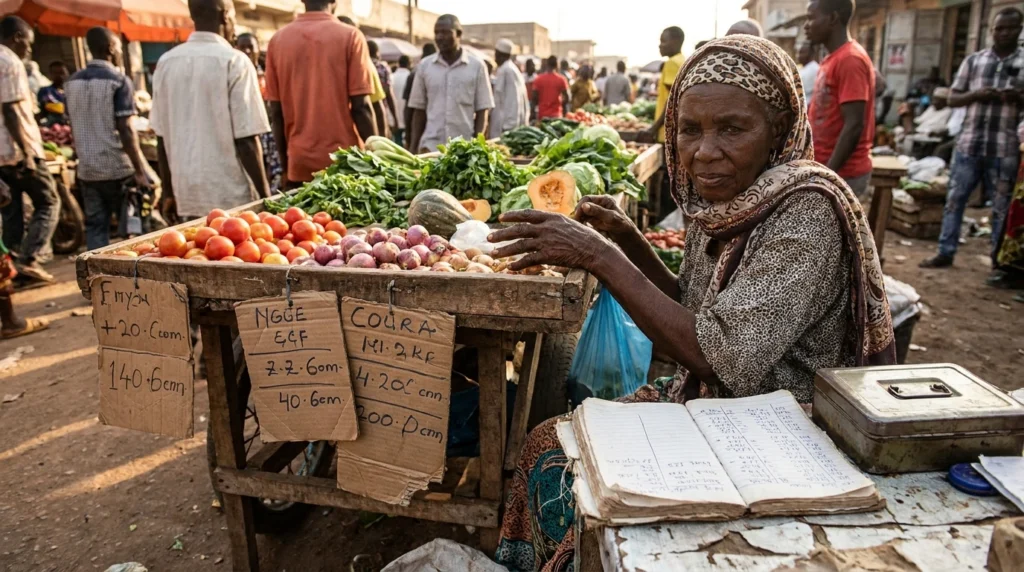
Colonial governments often built institutions designed to pull resources out of a territory rather than develop it. Several researchers argue those structures survived independence.
The 2024 prize research studied exactly this. It looked at what happened after colonization to understand why global inequality persists, especially in countries hit by corruption and authoritarian rule.
The mechanism is inherited institutions rather than direct theft. Where colonial powers settled in large numbers, they built institutions that protected their own property rights. Where they extracted without settling, they built systems for extraction, and those systems outlived the colonizers.
This explanation is debated over how much weight it carries compared with governance decisions made after independence.
4. Conflict and State Fragility
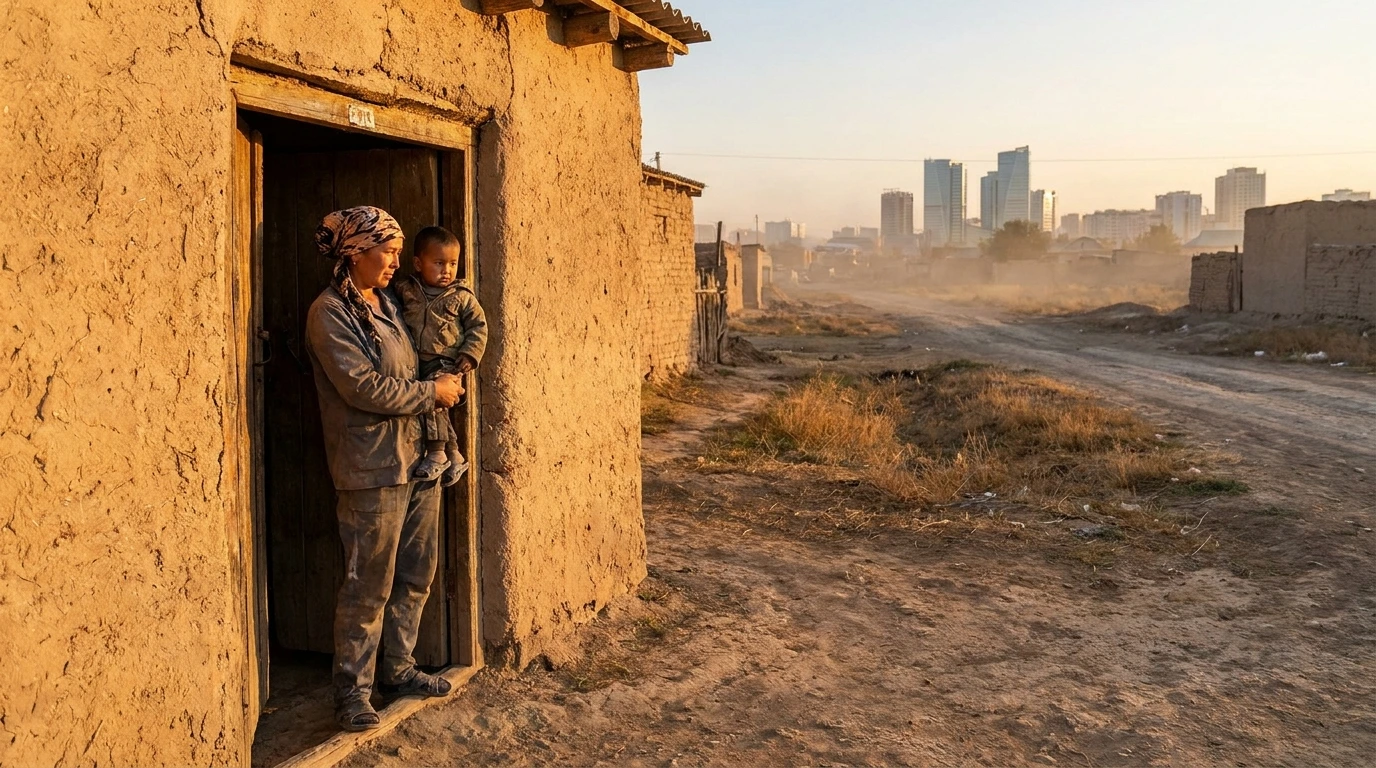
Extreme poverty is now concentrated in fragile and conflict affected places. The World Bank reported in June 2025 that about 421 million people in 39 economies facing conflict or instability live on less than $3 a day, and 21 of those economies are in active conflict. This is why emergency relief is often the first step before any long term development can start.
Conflict creates poverty through several channels at once:
- Destruction of roads, schools and health facilities
- Displacement that separates people from their land and livelihoods
- Collapse of the services and markets that economic life depends on
- Investors staying away, so no new jobs are created
The relationship runs both ways. Poverty raises the risk of conflict, and conflict deepens poverty, which makes the two hard to separate in research.
5. Poverty Traps
This explanation works at the household level rather than the national level. Abhijit Banerjee, Esther Duflo and Michael Kremer received the 2019 Nobel Prize in Economic Sciences for their experimental approach to fighting global poverty.
The idea is that poverty feeds on itself:
- Credit limits. Without savings or a way to borrow, a family cannot buy the one asset, such as a sewing machine or a cart, that would raise its income for good. This is the gap that self reliance projects try to close.
- Nutrition and health. Too little food lowers the ability to work, which lowers income, which means even less food.
- Education costs. A family’s need for a child’s labor today outweighs the long term return from school. Our guide on how poverty affects education explains this cycle in detail.
- Fear of risk. Families living at the edge cannot survive a failed investment, so they avoid investments that would pay off on average.
This account explains why poverty continues once it has started, not how it began. It also explains why poverty hits children hardest, since the damage done early in life is the hardest to undo.

6. Debt
Government debt limits what countries can spend on the services that reduce poverty.
A World Bank report from October 2024 found that the world’s 26 poorest economies, home to about 40% of all people in extreme poverty, were deeper in debt than at any time since 2006. Government debt in these countries averaged 72% of GDP. Every dollar spent on debt payments is a dollar not spent on health, schools and clean water.
Why Does Poverty Exist in Wealthy Countries?
The question has a second meaning, and the causes are very different. In high income countries like the United States, poverty is rarely about how much the nation has. It comes from how income is shared and from a few structural features. These are measured by relative poverty, not the absolute line used worldwide, and the US sets its own poverty level income each year.
- Job markets with insecure contracts, part time work and wages below living costs
- Housing costs eating a rising share of low incomes
- Gaps in social protection, where benefits fall below what people need or are hard to access
- Discrimination that limits hiring and promotion for certain groups
- Caring duties that limit paid work, which hits single parents and caregivers hardest
- Health conditions and disability, which raise costs while lowering earning power
Where the Explanations Disagree
The six explanations above are not pieces of one neat puzzle. They compete with each other.
Institutional accounts treat geography as a starting condition that good institutions can overcome. Geographic accounts treat institutions as partly shaped by physical conditions. Colonial accounts treat today’s institutions as inherited rather than chosen. Each one points to a different policy fix.
Nobody has settled this debate. Be careful with any source that presents one cause as the whole answer, including sources that say institutions explain everything. For a broad overview of the academic debate, the Wikipedia entry on the causes of poverty is a useful starting point.
What You Can Do About It
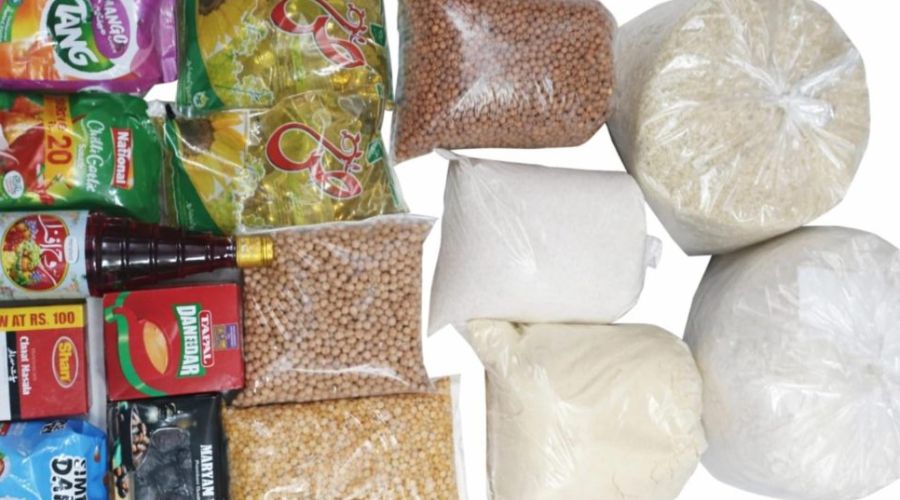
Understanding why poverty exists is the first step. The research above also points to what works: direct help with food and health, support for education, and giving families a way to earn their own income. That is the thinking behind Darul Infaq’s monthly groceries program and our Zakat ul Maal fund, which puts your Zakat to work for families who qualify. If you want practical steps, read how we can fix poverty and how to get out of poverty.
Calculated your zakat on gold? Pay it where it reaches those who qualify.
Give Your Zakat Now →Frequently Asked Questions
Is poverty caused by individual choices?
Research consistently finds that structural factors dominate. Individual decisions happen inside limits set by institutions, job markets and access to credit, education and health care.
Why has poverty fallen so much in some countries?
Rapid drops in China, India and parts of Southeast Asia followed long periods of economic growth that created jobs for low skilled workers, along with investment in education and infrastructure.
Does overpopulation cause poverty?
Population growth is more often a result of poverty than a cause. Birth rates fall as child deaths drop and as incomes and girls’ education rise.
Can foreign aid end poverty?
Targeted health programs and cash transfers show measurable results. General budget support gives mixed results that depend on how capable and accountable the receiving government is.
What is the single biggest reason poverty exists?
There is no single biggest reason. The strongest recent evidence points to weak and extractive institutions, but geography, conflict, debt and poverty traps all play a part, and researchers still disagree on the weight of each.