Quick Answer
Sadaqah is any voluntary act of charity given freely in Islam, with no fixed amount and no set time. It can be money, food, kind words, or even a smile. Unlike Zakat, which is obligatory, Sadaqah is optional and can be given to anyone in need. You give it purely to please Allah and help others.
Want to understand what Sadaqah is in more depth? This guide explains what it means, how it differs from Zakat, the types of Sadaqah, and the many ways you can give. You will also learn about Sadaqah jariyah, the charity that keeps rewarding you after you are gone.
Table of Contents
What Is Sadaqah in Islam?
Sadaqah comes from the Arabic root sidq, meaning sincerity or truthfulness. It reflects the honesty of your faith through good deeds. In the wider Islamic tradition, sadaqah covers every form of voluntary giving.
You can give Sadaqah at any time, in any amount. There are no rules on when or how much.
Sadaqah is not limited to money. The Prophet Muhammad (peace be upon him) said that smiling at your brother is a form of charity (Tirmidhi). Helping a neighbor, planting a tree, or removing something harmful from a path all count.
This makes Sadaqah one of the most accessible acts of worship. Anyone can give it, rich or poor. It sits at the heart of the importance of charity in Islam.
What Is the Difference Between Sadaqah and Zakat?
Many people confuse Sadaqah with Zakat. They are related but different.
Zakat is obligatory. Sadaqah is voluntary. That is the main distinction.
Here is how they compare:
- Zakat is one of the five pillars of Islam. Eligible Muslims pay 2.5% of their qualifying wealth once a lunar year, after it reaches the nisab threshold.
- Sadaqah has no fixed amount, no set time, and no obligation. You give what you can, when you can.
- Zakat must go to the eight categories named in the Quran (Surah At-Tawbah 9:60). Sadaqah can go to anyone in need. See who is eligible for Zakat for the full list.
Think of Zakat as a duty and Sadaqah as a gift from the heart. If you need to work out your obligatory amount, read how to calculate Zakat.

What Are the Different Types of Sadaqah?
Sadaqah takes many forms. It is not just about giving money.
- Financial Sadaqah. Donating money to those in need or to a good cause, such as emergency relief for families in crisis.
- Physical Sadaqah. Helping someone carry a load or offering your time and effort.
- Verbal Sadaqah. Saying kind words, sharing knowledge, or offering good advice.
- Sadaqah jariyah. Ongoing charity that keeps benefiting people over time. More on this below.
Even simple acts count. Guiding someone who is lost or sharing a meal is Sadaqah.
Why Is Sadaqah Important in Islam?
Sadaqah holds deep spiritual value. It strengthens your connection to Allah and your community.
The Quran and Sunnah encourage Sadaqah as a way to purify wealth and the soul. Giving reminds you that everything you own is a blessing.
The rewards are significant:
- Charity extinguishes sin as water extinguishes fire, as taught in a well-known hadith (Tirmidhi).
- It protects against hardship and invites blessings into your life.
- It builds compassion and reduces inequality in society.
Giving in secret carries special reward. The Quran praises giving quietly to the poor (Surah Al-Baqarah 2:271), and quiet charity protects the dignity of the person receiving it.
What Is Sadaqah Jariyah?
Sadaqah jariyah is ongoing charity that keeps earning reward even after you die. The word jariyah means continuous or flowing.
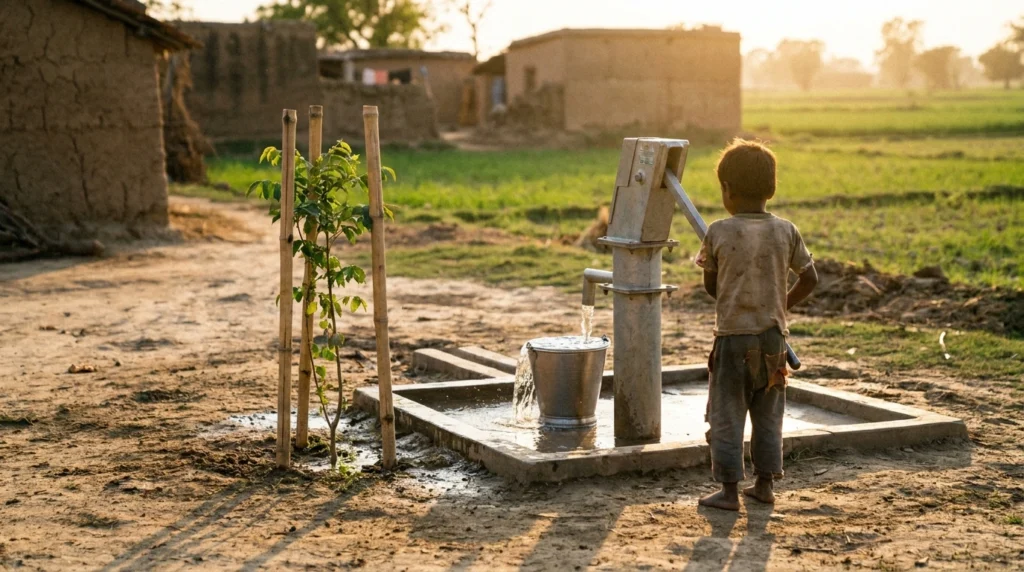
The Prophet Muhammad (peace be upon him) said that when a person dies, their deeds end except for three: ongoing charity, beneficial knowledge, and a righteous child who prays for them (Sahih Muslim).
Examples of Sadaqah jariyah include:
- Building a well that provides clean water for years.
- Funding a student’s education through educational assistance.
- Helping a family start a small business through self-reliance projects, so they can support themselves for years.
- Planting trees that feed people and animals.
- Sharing knowledge that others continue to use.
Choose Sadaqah jariyah if you want your good deeds to last beyond your lifetime.
How Can You Give Sadaqah?
Giving Sadaqah is simple. You do not need to be wealthy or wait for a special occasion.
Here are practical ways to start:
- Donate money to a trusted charity or someone in need. Our guide to choosing the best charity to donate to explains what to look for.
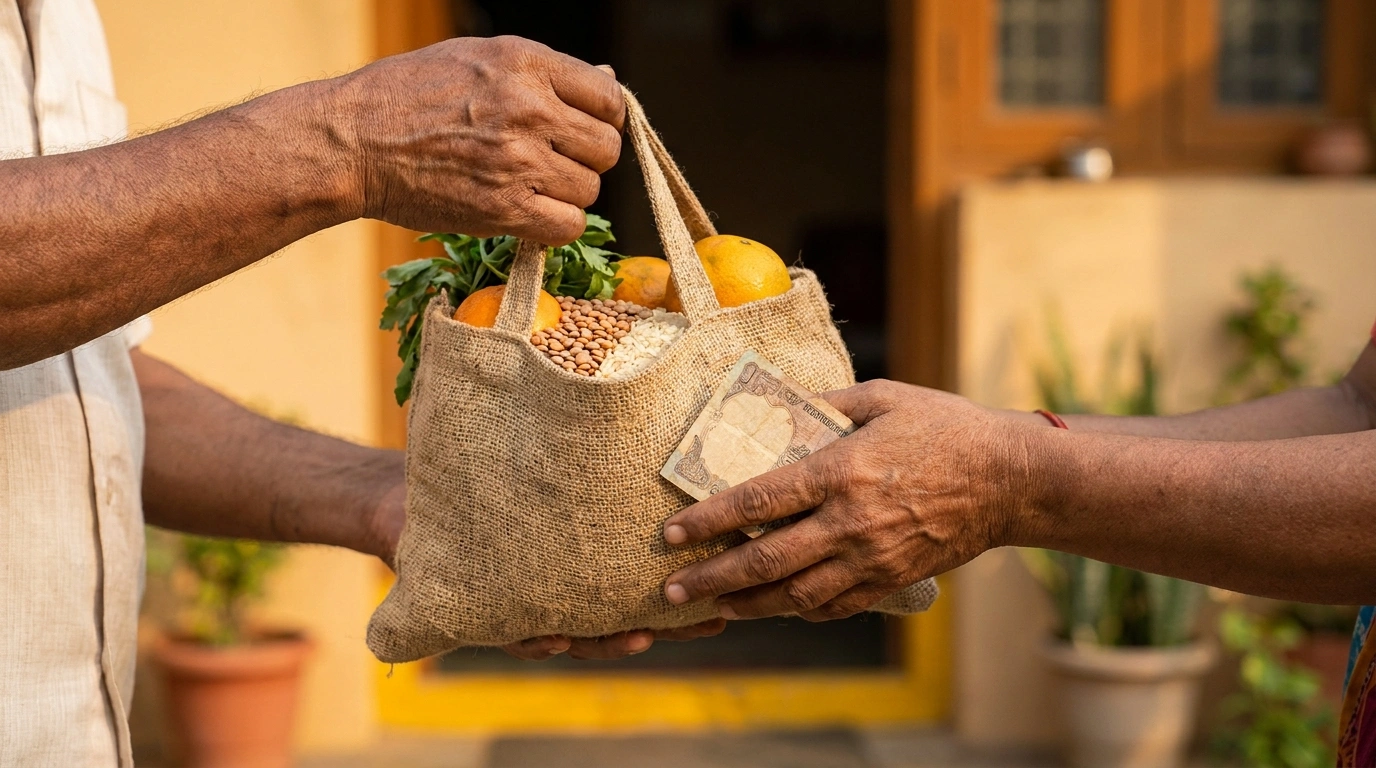
- Feed a family. Programs like monthly groceries and fresh meals turn a small gift into a full table.
- Give your time. Volunteer or help a neighbor.
- Share knowledge. Teach a skill or offer helpful advice.
- Do small acts daily. Smile, speak kindly, or remove litter from a path.
Give with sincerity, not for recognition. The intention behind your act matters most.
Even the smallest gift counts when it comes from an honest heart.
Start Giving, One Act at a Time
Sadaqah is one of the easiest and most rewarding acts in Islam. It costs nothing to smile, share, or help, yet the rewards are lasting.
Start small. Give often. Give sincerely. Whether it is money, time, or kind words, every act makes a difference.
If you want your giving to last for generations, consider Sadaqah jariyah. Support a student, a family’s livelihood, or an orphan through Darul Infaq Foundation, a US-registered 501(c)(3) charity. Give your Sadaqah today.
Calculated your zakat on gold? Pay it where it reaches those who qualify.
Give Your Zakat Now →Frequently Asked Questions About Sadaqah
Is Sadaqah obligatory in Islam?
No. Sadaqah is completely voluntary. You give it freely, without any fixed amount or time. Zakat is the obligatory form of charity.
Can I give Sadaqah to non-Muslims?
Yes. You can give Sadaqah to anyone in need, regardless of their faith. It is not restricted to specific groups the way Zakat is.
How much Sadaqah should I give?
There is no set amount. You can give as little or as much as you like. Even a smile or a kind word counts as Sadaqah.
What is the difference between Sadaqah and Sadaqah jariyah?
Ordinary Sadaqah brings reward once, for that act. Sadaqah jariyah keeps rewarding you for as long as people benefit, such as a well, a school, or a family business you helped start.
Can Sadaqah be given in secret?
Yes. Giving quietly is highly encouraged. It protects the dignity of the receiver and carries special spiritual reward.
Is Sadaqah the same as Fitrana?
No. Zakat al-Fitr (Fitrana) is an obligatory payment before Eid al-Fitr. Sadaqah is voluntary and can be given all year round.