Quick Answer
Why does Ramadan change every year? Because the Islamic calendar follows the moon, not the sun. A lunar year lasts about 354 days, roughly 11 days shorter than the 365-day solar year. That is why Ramadan begins about 11 days earlier each Gregorian year and slowly moves backwards through the seasons.
Over about 33 years, Ramadan passes through every season and returns to roughly the same point. It fell in summer in 2015 and 2016, it falls in winter in 2027, and it will be back in summer around 2048.
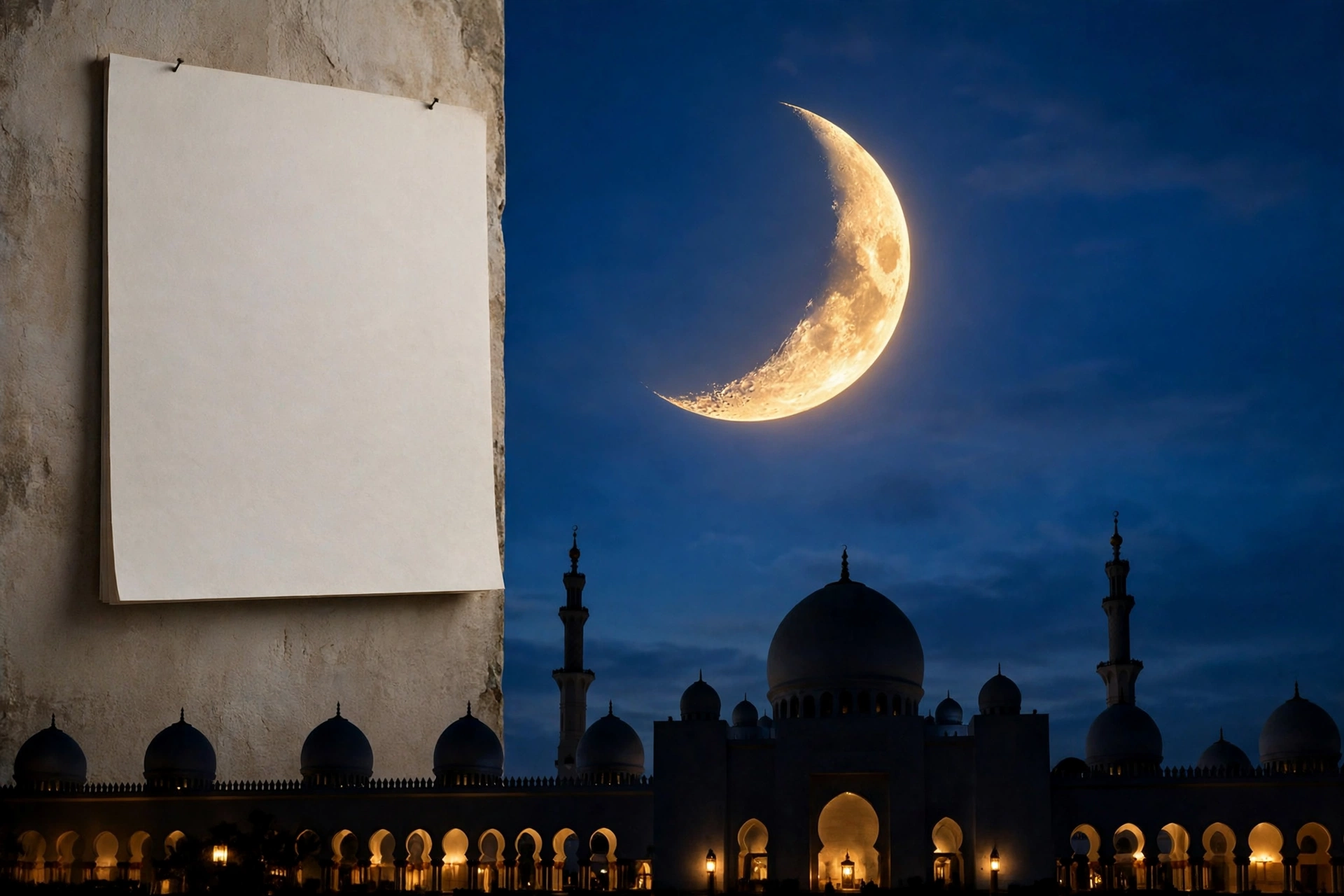
If you have ever wondered why does Ramadan change every year while Christmas stays fixed on 25 December, the answer is the calendar itself. The Gregorian calendar follows the sun. The Hijri calendar follows the moon, and that gap is what moves Ramadan. Ramadan 2027 is expected to begin on Monday, 8 February, eleven days earlier than in 2026.
Table of Contents
- Why Does Ramadan Change Every Year? The Lunar Year Is Eleven Days Shorter
- What Happens in Practice as Ramadan Drifts Backwards?
- The Full Cycle: Ramadan Returns to the Same Season Every 33 Years
- Why Are Summer Ramadans Harder in Northern Latitudes?
- Why Is This Considered a Feature Rather Than a Flaw?
- Frequently Asked Questions
Why Does Ramadan Change Every Year? The Lunar Year Is Eleven Days Shorter
The answer to why does Ramadan change every year is simple: the year itself is shorter. A lunar month lasts about 29.5 days, so twelve of them make a Hijri year of 354 or 355 days. A solar year has 365 days, or 366 in a leap year.
So the Islamic year runs about 11 days short, and every Hijri date arrives about 11 days earlier each Gregorian year. Ramadan is no exception. It stays in exactly the same place in its own calendar, the ninth month of the Hijri year, while the Gregorian calendar slides past it.
The Hijri calendar counts from the Hijra, the Prophet Muhammad’s (peace be upon him) migration to Madinah in 622 CE. Ramadan 2027 falls in 1448 AH. Like every Hijri month, it begins with the sighting of the new crescent moon, which is why the start is always given as “expected” until the moon is seen.
What Happens in Practice as Ramadan Drifts Backwards?
An 11-day shift sounds small. Over a decade it adds up to about 110 days, more than a full season.
| Year | Ramadan begins (expected) | Hijri year |
|---|---|---|
| 2025 | Saturday, 1 March 2025 | 1446 AH |
| 2026 | Thursday, 19 February 2026 | 1447 AH |
| 2027 | Monday, 8 February 2027 | 1448 AH |
| 2028 | Friday, 28 January 2028 | 1449 AH |
| 2029 | Tuesday, 16 January 2029 | 1450 AH |
| 2030 | Saturday, 5 January 2030 | 1451 AH |
Each year the start creeps about 11 days earlier. The dates in the table are expected dates, set by calculation and confirmed by moon sighting. The drift also means that in 2030, Ramadan begins twice in one Gregorian year, on 5 January and again on 26 December. That happens roughly once every 33 years.
The Full Cycle: Ramadan Returns to the Same Season Every 33 Years
The lunar year is about 11 days shorter, so the gap adds up to a whole year after about 33 years. 33 lunar years come to about 11,694 days, against about 11,688 for 32 solar years. Ramadan returns to roughly the same season after about 33 years, though not to the exact same date.
Ramadan fell in June in 2015 and 2016, when fasts in northern Europe ran close to 19 hours. It falls in February in 2027, when the fasts are short, and it will come back to June around 2048. Over a single lifetime, a Muslim fasts in every season, because Ramadan has no fixed season.
Why Are Summer Ramadans Harder in Northern Latitudes?
The length of a fast depends on daylight, and daylight depends on the season and where you live. In winter the sun rises late and sets early, so the fast is short. In summer it is the other way round, and the further north you go, the more extreme the difference gets.
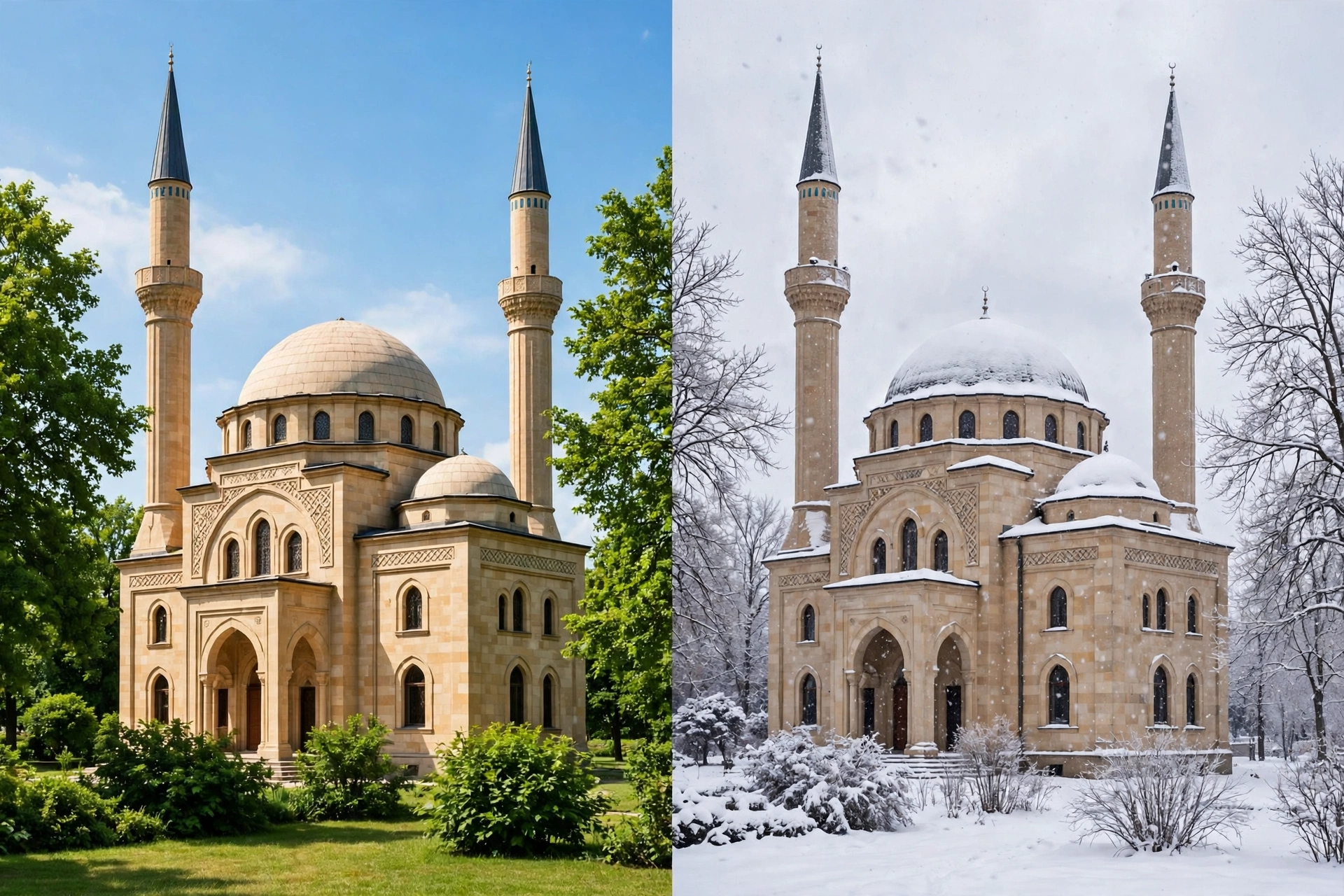
In London, a February fast in 2027 lasts around 11 hours. In June 2016, the same city’s fast lasted close to 19 hours. In the far north, in Iceland, northern Norway and parts of Sweden, a summer fast can run past 20 hours, with barely any night at all. Where the sun barely sets, scholars permit following the timings of Makkah, or of the nearest place with a normal day and night.
The southern hemisphere sees the pattern in reverse. June means short winter fasts in Sydney and Cape Town, and December means long summer ones.
Why Is This Considered a Feature Rather Than a Flaw?
People often ask why does Ramadan change every year, as if the calendar made a mistake. It would be simpler if Ramadan stayed in one season. But Muslims have always seen the movement as a mercy rather than a problem.
For one thing, it is fair. If Ramadan were fixed to the solar calendar, people in summer would always carry the hardest fasts and those in winter would always have the easiest. Because the month moves, the hardship is shared out over a lifetime. The Quran says of the fast that “Allah intends for you ease and does not intend for you hardship” (2:185).
It also keeps the month tied to the moon, a sign anyone can see. A hadith describes fasting in winter as “the easy spoil”, a gift that costs little. The month comes when it comes, in whatever season, and the believer meets it there. Read more about why Ramadan matters beyond the dates.
Ramadan moves through the seasons, but hunger does not wait for a convenient month. Our Ramadan Ration Drive is timed to reach families before the first fast.
Give Your Zakat Now →Frequently Asked Questions
Why does Ramadan change every year?
Why does Ramadan change every year? Because the Islamic calendar follows the moon. A lunar year is about 354 days, roughly 11 days shorter than the solar year, so Ramadan starts about 11 days earlier each year.
Does Ramadan change by the same amount every year?
Roughly. The shift is about 10 to 11 days a year, varying slightly because Hijri months run to 29 or 30 days.
How long until Ramadan comes back to the same date?
About 33 years, but to roughly the same season, not the exact same Gregorian date.
Will there ever be two Ramadans in one year?
Yes, roughly once every 33 years. The next time is 2030: 5 January and again on 26 December.
Why do some countries start Ramadan on a different day?
Because the start depends on sighting the new crescent moon, which is not always visible everywhere on the same evening. Some countries follow a calculated calendar instead.
Whenever Ramadan falls, food costs rise for the families we serve. Our Ration Drive is timed to meet it.