During Muharram, Muslims fast (especially on the 10th day, known as Ashura), pray, give to charity, and reflect on their faith. Shia Muslims also observe mourning rituals to commemorate the martyrdom of Imam Husayn at the Battle of Karbala in 680 CE.
Muharram is the first month of the Islamic lunar calendar. It’s one of the four sacred months in Islam – and for over a billion Muslims worldwide, it carries deep spiritual weight. What happens during Muharram depends on your tradition, but fasting, prayer, and generosity are central to how most Muslims mark this month.
What Is Muharram?
Muharram literally means “forbidden” in Arabic, reflecting its sacred status in the Islamic calendar. Allah (God) declared it one of four months in which conflict is prohibited. The month also marks the Islamic New Year, making it a time of spiritual renewal for many Muslims.
The most significant date within Muharram is the 10th day, known as Ashura (from the Arabic word for “ten”). This day carries historical and religious significance that goes back centuries – long before the birth of Islam.
Why Is the Day of Ashura So Important?
Ashura is significant for several reasons. According to Sahih Al-Bukhari (#4680), Prophet Muhammad ﷺ arrived in Madinah and found Jewish communities fasting on this day to commemorate Moses’ (Musa’s) victory over Pharaoh. The Prophet ﷺ told his companions, “You have more right to celebrate Moses’ victory than they have, so observe the fast on this day.”
The day also holds broader historical resonance. A weak hadith in Musnad Ahmad (#8717) mentions that Ashura is the day Noah’s (Nuh’s) ark came to rest after the flood. These layered meanings make Ashura one of the most spiritually loaded days in the Islamic year.
For Shia Muslims, Ashura carries additional significance: it marks the martyrdom of Imam Husayn ibn Ali, the grandson of Prophet Muhammad ﷺ, at the Battle of Karbala in 680 CE (61 AH).
How Do Sunni Muslims Observe Muharram?
For Sunni Muslims, Muharram is primarily a time of voluntary fasting and increased worship.
Fasting on the 10th day of Muharram (Ashura) is one of the most recommended voluntary fasts in the Sunni tradition. According to Sunan Al-Nasa’i (#2416), Prophet Muhammad ﷺ never abandoned fasting on Ashura throughout his life. He taught that fasting this day expiates (wipes away) the sins of the previous year.
Most scholars recommend fasting on the 9th and 10th days together to distinguish the Islamic fast from pre-Islamic practices. Fasting on the 10th and 11th days is also acceptable.
Beyond fasting, Sunni Muslims typically use Muharram to:
- Increase voluntary prayers (Nafl Salat)
- Recite extra Quran
- Give Sadaqah (voluntary charity)
- Avoid major celebrations such as weddings during the first ten days
How Do Shia Muslims Observe Muharram?
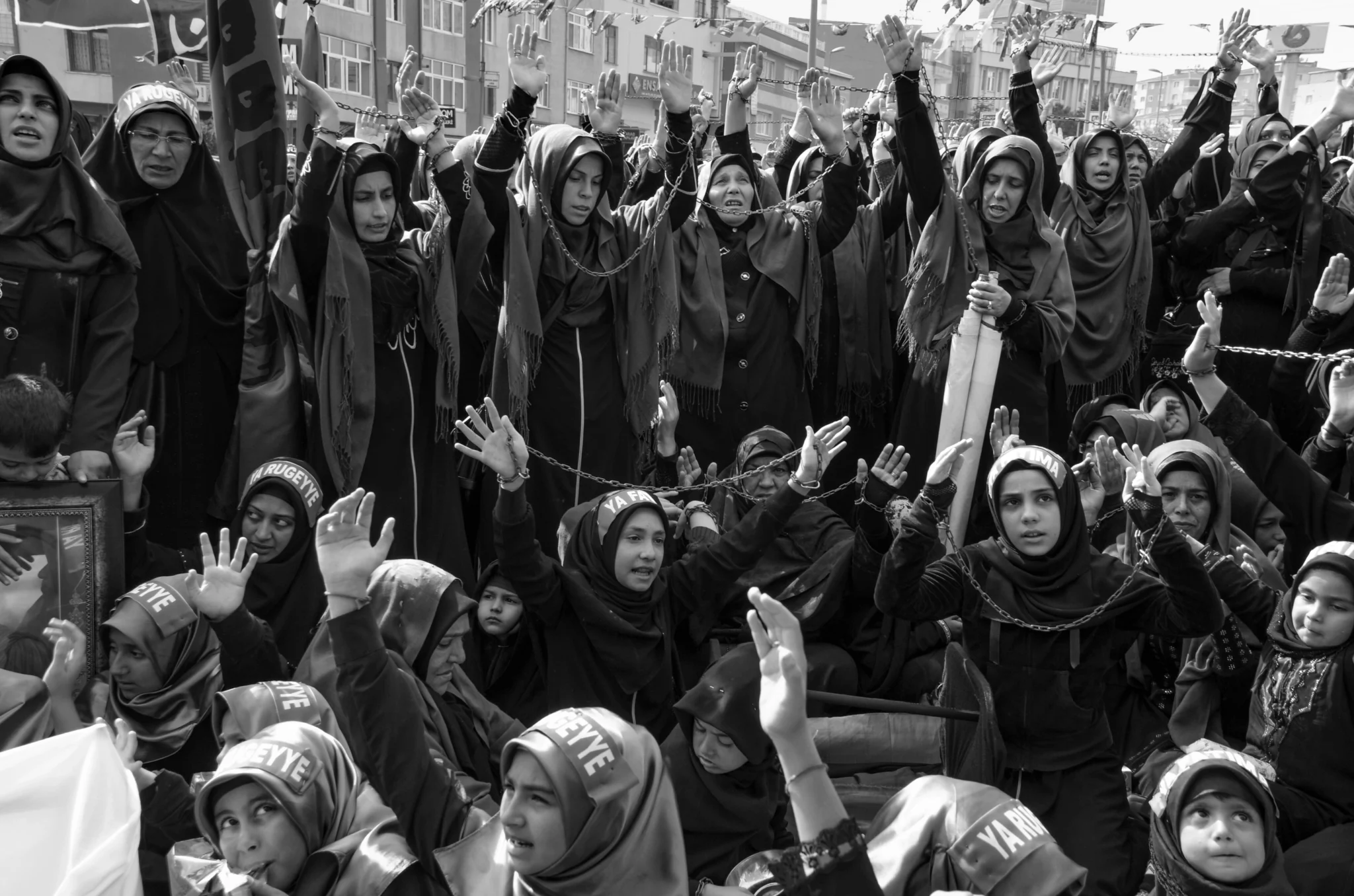
For Shia Muslims, Muharram is a month of mourning – particularly the first ten days, which culminate on Ashura.
The mourning centers on the tragedy of Karbala, where Imam Husayn and 72 of his companions were killed by the forces of Yazid ibn Muawiyah. Shia communities around the world commemorate this event through organized mourning processions called dasta or mawkib.
Common Shia observances include:
- Wearing black attire as a sign of grief
- Reciting elegies and lamentations (known as marsiya or nawha)
- Striking the chest (matam) as a physical expression of sorrow
- Attending gatherings at Husayniyyas, which are community halls dedicated to Shia commemorations
- Marching in processions, some of which involve carrying decorative torches – most notably in Najaf, Iraq, toward the shrine of Ali ibn Abi Talib
In Karbala itself, millions of pilgrims gather each year for Ashura, making it one of the largest annual gatherings of people on earth.
Shia Muslims do not fast on Ashura. This is a deliberate distinction: fasting on that day is associated in Shia tradition with the enemies who celebrated Imam Husayn’s martyrdom.
Prayers and Recitations During Muharram
Both Sunni and Shia Muslims increase their devotional practices during Muharram, though the specific recitations differ.
Shia Muslims commonly recite:
- Ziyarat Ashura – a prayer honoring Imam Husayn and his sacrifice at Karbala
- Dua al-Nudba – a supplication expressing grief and longing
- Surah Al-Ikhlas – some traditions encourage reciting it up to 1,000 times on Ashura
- Salawat (Durood) – blessings upon the Prophet ﷺ and his family
Sunni Muslims typically focus on:
- Extra voluntary prayers
- Quran recitation and reflection
- Dhikr (remembrance of Allah)
- Seeking forgiveness (Istighfar)
Acts of Charity and Generosity
Charity is encouraged across all Muslim traditions during Muharram. Giving Sadaqah (voluntary charity) during sacred months carries extra spiritual reward, and Muharram is no exception.
Practical ways to give during Muharram include:
- Donating to families in need, particularly orphaned children and widowed mothers
- Distributing food to neighbors and community members
- Supporting relief organizations that serve vulnerable populations globally
In some Shia communities, distributing food (called Nazri or Tabarruk) on Ashura is a widespread tradition – a physical act of generosity tied directly to the values of Imam Husayn.
A Month of Reflection for All Muslims
Muharram carries different meanings depending on your tradition – but the thread running through all observances is the same: this is a month to slow down, reflect, and reconnect with your faith.
Sunni Muslims use it as a chance to wipe the slate clean through fasting. Shia Muslims draw strength and spiritual identity from the sacrifice of Imam Husayn. Both communities give, pray, and remember.
Start with what feels meaningful to you. Fast one day. Give to charity through DarulInfaq Foundation. Recite an extra prayer. Muharram rewards the sincere, regardless of how you observe it.
Frequently Asked Questions
What is Muharram in Islam?
Muharram is the first month of the Islamic lunar calendar. It is one of four sacred months in Islam and holds great spiritual significance, particularly for its 10th day, Ashura.
Why do Muslims fast during Muharram?
Sunni Muslims fast on the 9th and 10th days of Muharram because Prophet Muhammad ﷺ fasted on Ashura and taught that doing so expiates the sins of the previous year (Sahih Al-Bukhari #4504).
Do Shia Muslims fast on Ashura?
No. Shia Muslims typically do not fast on Ashura. Instead, they observe the day as one of mourning to commemorate the martyrdom of Imam Husayn at the Battle of Karbala.
What is the Battle of Karbala?
The Battle of Karbala took place on the 10th of Muharram, 61 AH (680 CE) in modern-day Iraq. Imam Husayn ibn Ali, grandson of Prophet Muhammad ﷺ, was killed alongside his companions after refusing to pledge allegiance to Yazid ibn Muawiyah.
Is Muharram only significant for Shia Muslims?
No. Muharram is significant for all Muslims. Sunni Muslims observe voluntary fasting and increased worship during this month. Shia Muslims additionally hold mourning rituals to commemorate the martyrdom of Imam Husayn.
What is Ashura?
Ashura is the 10th day of Muharram. For Sunni Muslims, it is a day of voluntary fasting. For Shia Muslims, it is the most solemn day of the Islamic year, marking the martyrdom of Imam Husayn at Karbala.