The 5 pillars of Islam are Shahada (faith), Salah (prayer), Zakat (charity), Sawm (fasting), and Hajj (pilgrimage). These five practices form the foundation of Muslim religious life and are considered obligatory for every able-bodied Muslim.
Whether you’re studying world religions or simply curious about Islam, understanding these pillars gives you a clear window into one of the world’s largest faiths. Over 1.8 billion people – roughly 24% of the global population – practice Islam, according to Pew Research Center (2023). The 5 pillars are central to all of them.
Here’s what each pillar means and why it matters.
What Is the Shahada (Declaration of Faith)?
The Shahada is the most fundamental pillar of Islam. It is the verbal declaration that there is no god but Allah, and that Muhammad is his messenger.
Saying the Shahada with sincere belief is what makes a person Muslim. It’s simple, but it carries enormous weight. Every other pillar of Islam flows from this single statement of faith.
If someone converts to Islam, they do so by reciting the Shahada in front of witnesses.
What Is Salah (Ritual Prayer) and Why Do Muslims Pray 5 Times a Day?
Salah is the practice of praying five times each day at fixed times: dawn, midday, afternoon, sunset, and night. It is one of the most visible and consistent acts of Islamic worship.
Before praying, Muslims perform wudu – a ritual purification using water. Prayers are performed facing Mecca, the holiest city in Islam, located in modern-day Saudi Arabia.
Salah keeps Muslims connected to Allah throughout their daily lives. It’s not just a ritual – it’s a structured pause that recenters your focus and intention multiple times a day.
What Is Zakat (Almsgiving) and Who Has to Pay It?
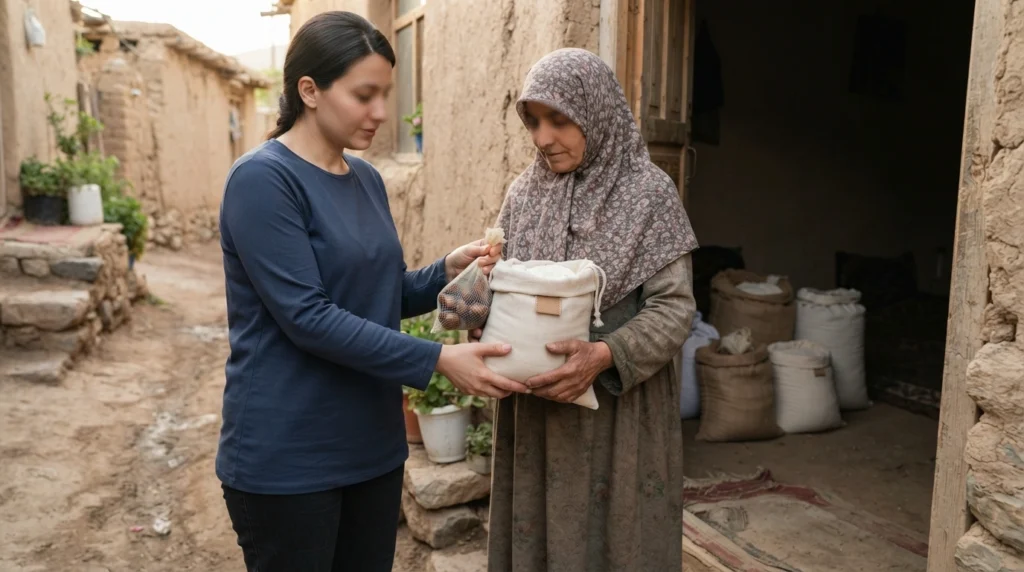
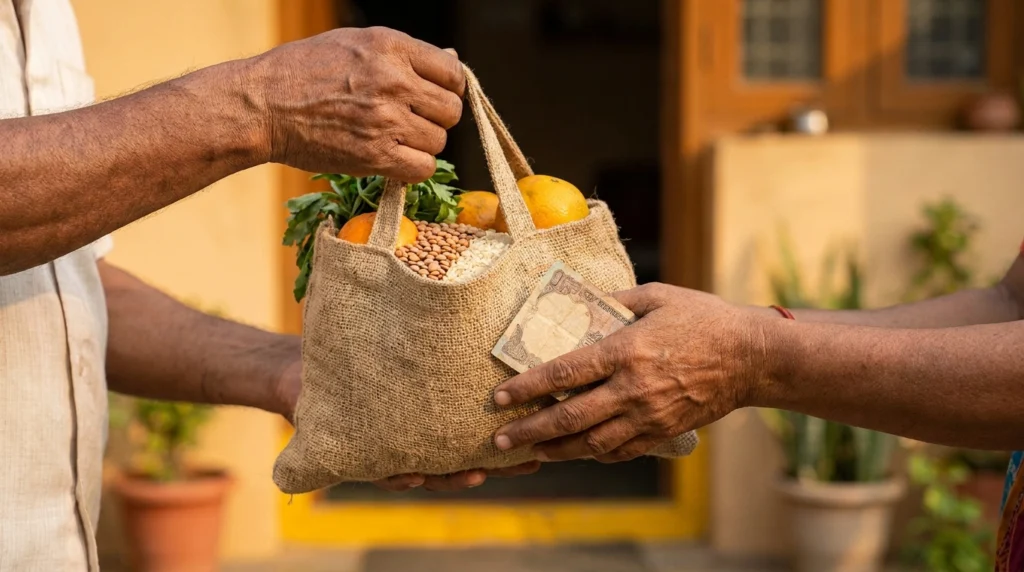
Zakat requires Muslims to donate a fixed portion of their savings to those in need. Specifically, eligible Muslims must give 2.5% of their total accumulated wealth annually, provided that wealth exceeds a minimum threshold called the nisab.
Zakat is not optional charity – it’s a religious obligation. It’s designed to reduce economic inequality within the Muslim community and purify a person’s wealth spiritually.
Recipients of Zakat include the poor, those in debt, and travelers in need, as outlined in the Quran (Surah At-Tawbah, 9:60).
What Is Sawm (Fasting During Ramadan)?
Sawm refers to fasting during Ramadan, the ninth month of the Islamic lunar calendar. Muslims fast from dawn (Fajr) to sunset (Maghrib) every day for the entire month.
During a fast, Muslims abstain from food, drink, smoking, and sexual activity. The fast is broken each evening with a meal called Iftar, often shared with family and community.
Sawm teaches self-discipline, gratitude, and empathy. By experiencing hunger voluntarily, you develop a sharper awareness of those who go without food involuntarily. Certain groups – including the elderly, pregnant women, and the ill – are exempt from fasting.
What Is Hajj (Pilgrimage to Mecca) and Who Must Perform It?
Hajj is an annual pilgrimage to Mecca, Saudi Arabia, and it’s required at least once in a lifetime for every Muslim who is physically and financially able to make the journey.
Hajj takes place during the Islamic month of Dhu al-Hijjah and involves a series of rituals over five days. These include circling the Kaaba (a cube-shaped structure considered the house of God), walking between the hills of Safa and Marwa, and gathering at the plain of Arafat in prayer.
In 2023, over 1.8 million pilgrims performed Hajj, according to Saudi Arabia’s Ministry of Hajj and Umrah. The pilgrimage symbolizes unity – every pilgrim wears simple white garments, erasing visible signs of wealth or status.
Why the 5 Pillars of Islam Matter
The Five Pillars give Muslim life structure, purpose, and community. Each pillar addresses a different dimension of faith—belief, worship, generosity, discipline, and belonging. Through its commitment to supporting Islamic values and charitable initiatives, Darul Infaq Foundation encourages Muslims to uphold these pillars by strengthening faith, promoting compassion, and helping those in need.
Together, they don’t just define what Muslims do. They shape how Muslims think, relate to others, and understand their place in the world.
Frequently Asked Questions
Are the 5 pillars of Islam mentioned in the Quran?
Yes, but not always as a formal list. The Shahada, Salah, Zakat, Sawm, and Hajj are each referenced in the Quran. The famous Hadith of Jibril (narrated in Sahih Muslim) also outlines the five pillars explicitly.
Is Hajj compulsory for all Muslims?
No. Hajj is only obligatory for Muslims who are physically healthy and financially able to make the journey without going into debt or neglecting their family’s needs.
What happens if a Muslim cannot fulfill one of the pillars?
Islam recognizes hardship. Those who are ill, elderly, pregnant, or financially unable may be exempt from certain pillars, or may fulfill them in alternative ways. For example, someone unable to fast during Ramadan may feed a person in need for each missed day (fidya).
Do all Muslims follow the 5 pillars the same way?
The core pillars are shared across Islam, but practices may vary slightly between Sunni and Shia Muslims, particularly in how and when prayers are performed.