Quick Answer
Poverty affects education by limiting a child’s access to food, school supplies, stable housing, and the internet, while adding daily stress that makes learning harder. Children from low-income families often start school behind, miss more class days, and graduate at lower rates than wealthier peers. This is not because they lack ability, but because poverty creates barriers that follow them from the first day of school to graduation, and each one chips away at their chance to succeed.
The problem is global. UNESCO estimates that more than 270 million children and young people are out of school worldwide, and the World Bank reports that about 70% of ten-year-olds in low- and middle-income countries cannot read and understand a simple text. Most of them are not out of school by choice. Their families cannot afford it.
Here is exactly how poverty affects education, one barrier at a time, and what breaks the cycle.
Table of Contents
1. Kids Start School Already Behind
School readiness gaps show up before the first day of class. Children in low-income homes are read to less often and have fewer books at home. Many cannot afford preschool or early learning programs.
By age five, a child from a poor family may know fewer letters, numbers, and words than a wealthier classmate. Teachers then spend the early years helping some students catch up while others move ahead.
That head start rarely closes on its own. A child who enters first grade behind often stays behind through middle school.
2. Hunger Makes It Hard to Focus
A hungry child cannot concentrate on math. It is that simple.
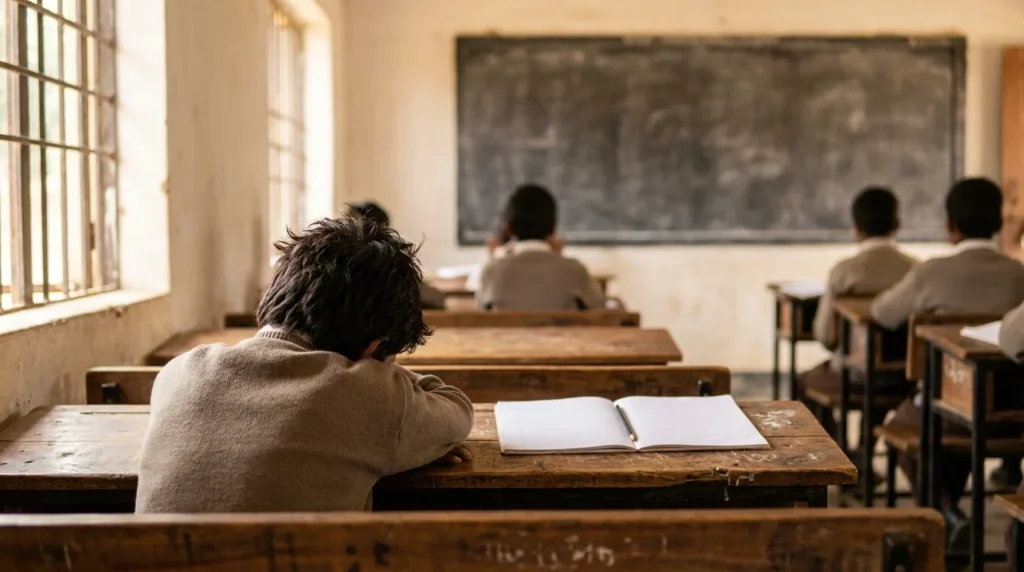
When breakfast is skipped or dinner was small, a student’s brain runs low on fuel. This shows up as trouble focusing, irritability, and fatigue during class.
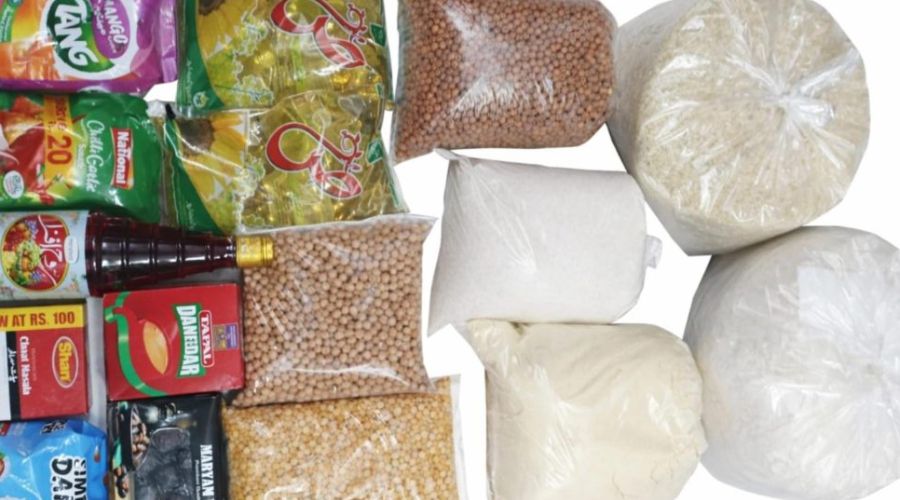
Free school meal programs help where they exist, but they do not cover weekends, holidays, or the many countries that have no such program. Teachers regularly report students falling asleep at their desks because they are not eating enough. Programs that provide fresh meals and monthly groceries to struggling families exist for exactly this reason: a fed child can learn.
3. Missing School Adds Up Fast
Attendance suffers when a family struggles financially. A child might stay home to watch younger siblings while a parent works. Others miss school because of illness that went untreated, or because they are working to bring in income.
Families without reliable transport face daily problems. If the bus fare is not there, or the school is far away, a child could miss a week.
Each missed day means missed lessons. Miss enough, and a student never fully recovers the material.
4. No Supplies, No Internet, No Fair Shot
Try finishing homework without a laptop or Wi-Fi. Millions of students face this every night.
Poverty limits access to basic tools like:
- Notebooks, uniforms, calculators, and pens
- A laptop or tablet for assignments
- Home internet for research and online classes
- A quiet, well-lit space to study
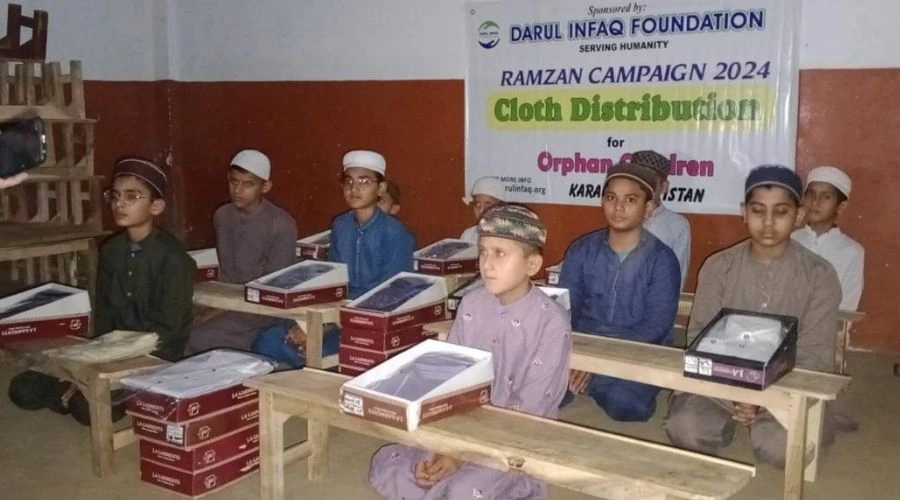
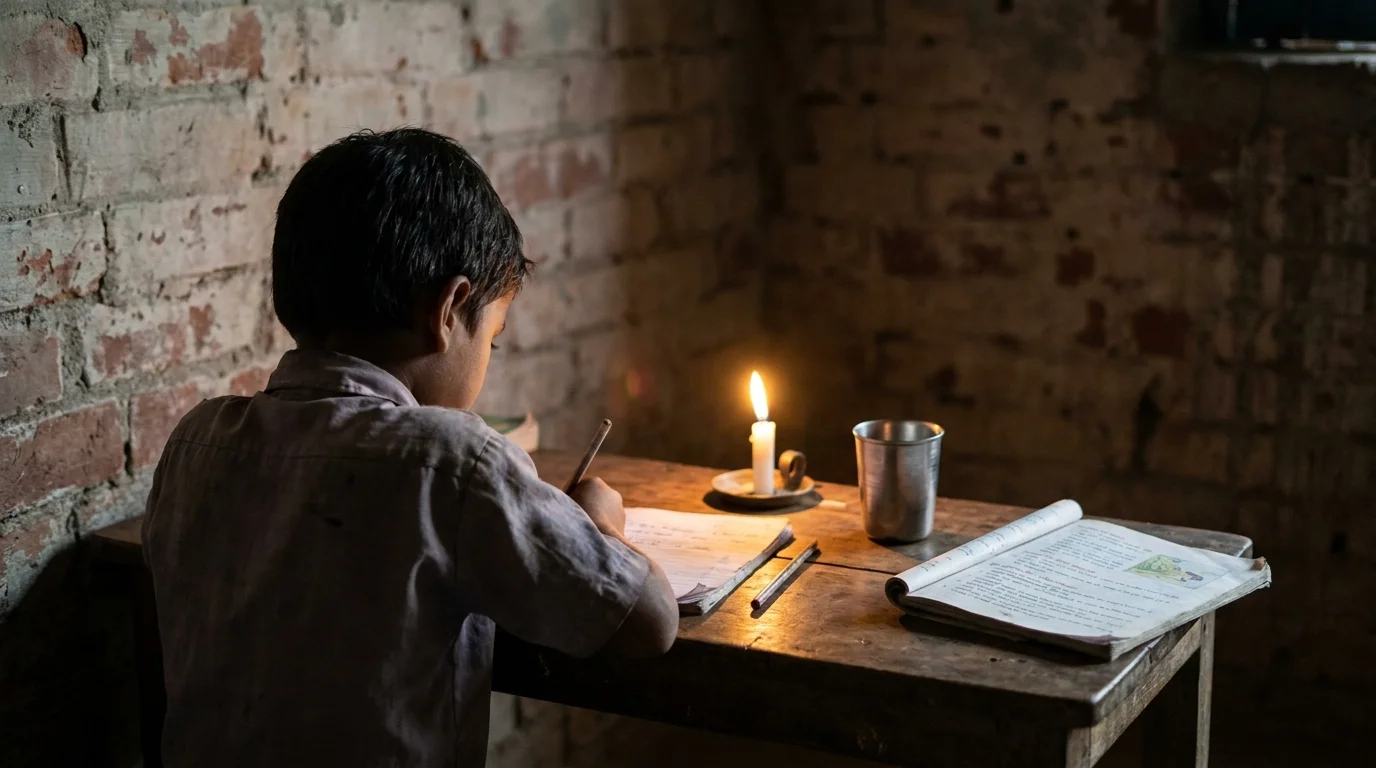
During remote learning in 2020 and 2021, this gap became painfully clear. Some students did lessons on a shared phone with patchy data while others had their own laptop and fast internet. A student writing an essay on a cracked phone screen is not competing on level ground. In many countries, even school fees, exam fees, and uniforms are enough to keep a child home, which is why educational assistance that covers these costs makes such a direct difference.
5. Constant Stress Rewires Learning
Money worries do not stay in the background for kids. They live with them.
Children in poverty often carry stress about bills, evictions, and family arguments over money. Research on childhood stress shows that ongoing worry of this kind affects memory and focus. It also makes it harder to manage emotions in class.
A student worried about whether the power will stay on tonight cannot give full attention to a history lesson. The brain treats survival worries as more urgent than schoolwork, because they are.
6. Moving Homes Breaks Learning
Housing instability is one of the most damaging effects of poverty on education.
When rent goes unpaid, families move. Sometimes they move several times in one school year. Each move can mean a new school, new teachers, and new classmates.
Every switch causes lost days and gaps in learning. A student who changes schools several times in a year can fall months behind. Some children experience homelessness, moving between shelters or relatives, which makes steady attendance nearly impossible. Orphaned children face this most of all, which is why orphan support programs pair schooling with a stable home.
7. Poorer Schools, Higher Teacher Turnover
Poverty does not just affect families. It affects entire schools.
Schools in low-income areas often get less funding. That means larger classes, older books, and fewer counselors. It also means higher teacher turnover.
New teachers frequently start in tough, underfunded schools, then leave within a few years for better-paying positions. Students end up with a revolving door of teachers. A child might have three different math teachers in one year, each with a different style and pace. This pattern of educational inequality means the children who need the most support often get the least.
8. Fewer Extracurriculars, Fewer Opportunities
Sports, clubs, and music cost money. Uniforms, instruments, travel fees, and equipment add up.
Many low-income students skip these activities because their families cannot pay. But extracurriculars are not just fun. They build skills, confidence, and college applications.
A student who wants to join the debate team but cannot cover the tournament fees loses more than an activity. They lose a line on their resume and a chance to grow.
9. Lower Graduation Rates
All these pressures lead to a clear outcome. Students from poor families drop out and graduate at lower rates.
A teenager might leave school to work and support the family. Others fall so far behind that catching up feels pointless. Some simply lose hope after years of struggling with barriers their wealthier classmates never faced.
Dropping out then limits future jobs, which brings us to the biggest problem of all.
The Cycle Between Poverty and Education
Poverty and education feed each other. This is the part that traps families for generations.
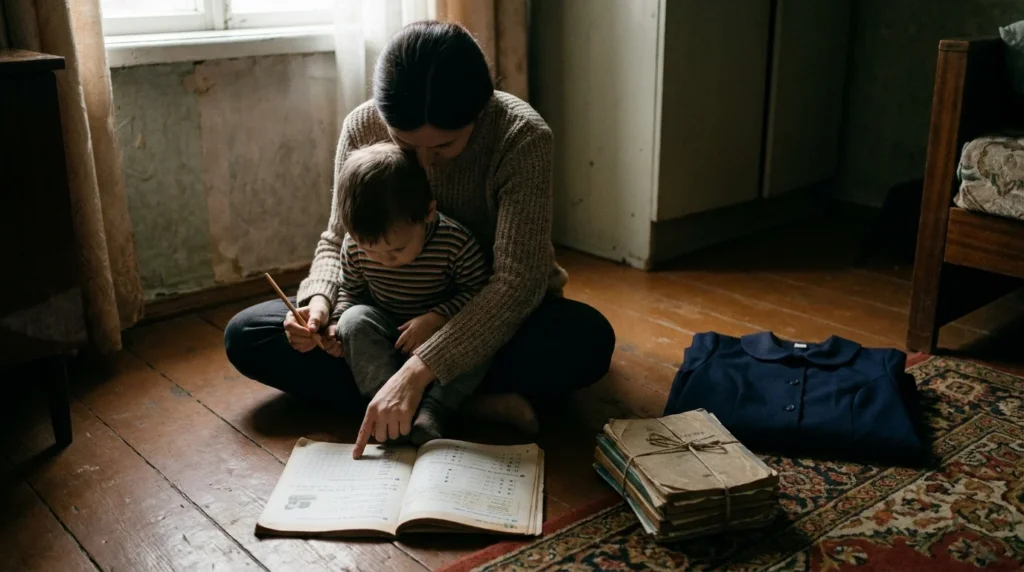
Here is how the cycle works:
- Poverty limits a child’s education
- Less education leads to lower-paying jobs
- Lower income keeps the next generation in poverty
- That generation then faces the same school barriers
A parent who never finished school often earns less and struggles to help with homework or afford tutoring. Their child then faces the same hurdles. Breaking this cycle is hard because each generation starts a step behind.
But it is not impossible. Free meal programs, school fee support, laptop loans, stable housing, and better teacher pay all chip away at these barriers. When you remove even one obstacle, a student’s odds improve. The evidence on what works is covered in our guide on how to fix poverty, and it consistently puts education near the top of the list.
Calculated your zakat on gold? Pay it where it reaches those who qualify.
Give Your Zakat Now →Frequently Asked Questions About Poverty and Education
How does poverty affect a child’s learning?
Hunger, stress, missed school days, and a lack of books, supplies, and internet all reduce how much a child can learn each day. Over years, these small losses add up to large gaps in reading and math.
Why do poor students drop out more often?
Many leave to work and support their families, others fall too far behind to catch up, and some lose hope after years of barriers. School fees and exam costs also push children out in many countries.
Does education reduce poverty?
Yes. Each additional year of schooling raises adult earnings, and children of educated parents are far more likely to finish school themselves. Education is one of the most reliable ways to break the poverty cycle.
What is the most effective way to help a child in poverty stay in school?
Remove the barrier that is stopping that specific child: pay the school fees, provide meals, cover the uniform and books, or give the family stable housing. Sponsorship programs work because they do several of these at once.
How can I help?
Support a program that pays school and exam fees, provides food, or sponsors an orphan. Our post on the importance of charity in Islam explains why supporting education is one of the most rewarded forms of giving.
Help a Child Stay in School
Poverty affects education at every stage, but every barrier in this list can be removed for a specific child. Darul Infaq Foundation, a US-registered 501(c)(3) charity, pays tuition, exam fees, books, and uniforms for students from struggling families, and provides the meals and groceries that let them focus in class. Read how child sponsorship changes lives long-term, or support a student today.