
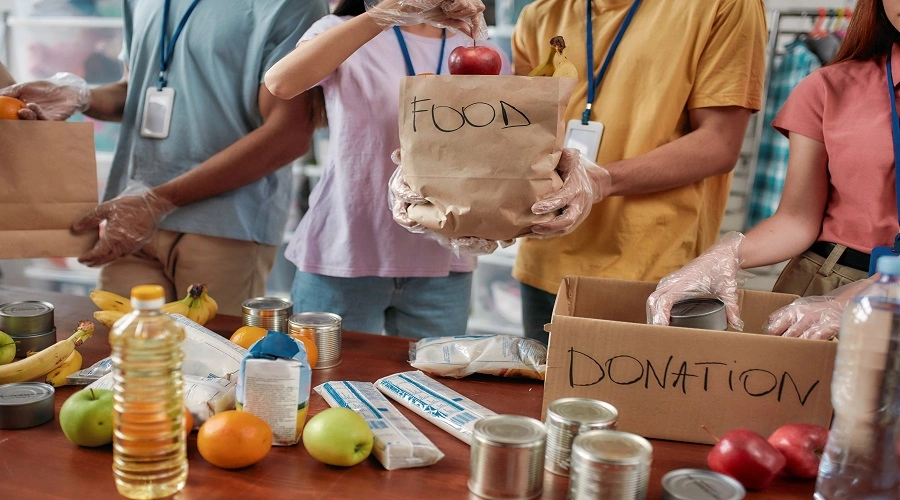
You can help needy people by meeting both their urgent needs and long-term goals, such as giving food, supporting education, helping them find jobs, covering medical costs, offering emotional support, volunteering your time, donating money or goods, and joining community action. The key is to match your help to what someone actually needs.
Here’s what you’ll learn in this guide:
- Quick ways to help right now
- Long-term ways to create lasting change
- Real examples you can copy
Start with Food Support
Hunger is one of the most urgent problems. A person can’t focus on a job or school when their stomach is empty.
You can drop off groceries at a local food bank. Many banks need canned goods, rice, and baby formula the most.
You can also cook extra meals and share them. Some people make a weekly habit of feeding one homeless person near their workplace.
Bottom line: Food is the fastest way to ease someone’s stress today.
Help with Education
Education breaks the cycle of poverty better than almost anything else. A child who stays in school has far better odds of a stable future.
You can sponsor a child’s school fees, uniforms, or books. Even covering one term can keep a kid in class.
Not able to give money? You can teach instead. Offer free tutoring to neighborhood kids who struggle with reading or math.
For example, a retired teacher might run a free homework club twice a week. Over a year, that simple effort can lift a dozen students.
Support Job Hunting
A job gives people more than money. It gives them pride and a way to stand on their own.
Here’s how you can help someone find work:
- Help write or fix their resume
- Practice interview questions with them
- Share job openings from your network
- Lend them clothes for an interview
You can also teach a skill. If you know basic computer work, sewing, or cooking, pass it on. A new skill can open doors that cash alone can’t.
Cover Medical Help
Medical bills push many families into deep debt. One sudden illness can wipe out years of savings.
You can donate to a verified medical fund for someone in need. Always check that the cause is real before you give.
You can also offer rides to clinics. Many sick people miss treatment simply because they can’t reach the hospital.
If you have medical training, volunteer at a free health camp. Even a few hours of checkups can catch problems early.
Offer Emotional Support
Not all needs are physical. Many struggling people feel lonely, scared, or invisible.
You can simply listen. Sit with someone, ask how they’re doing, and let them talk without rushing to fix things.
A kind word costs nothing but means a lot. People in hard times often just want to feel seen and respected.
Remember: Treating someone with dignity is a form of help, not a small extra.
Volunteer Your Time
Money isn’t the only thing people can give. Your time and hands are just as valuable.
You can volunteer at:
- A homeless shelter
- A soup kitchen
- An orphanage or elderly home
- A disaster relief group
Pick a place that matches your skills. If you’re good with kids, help at a children’s center. If you’re strong, help build or repair homes.
For example, one weekend a month at a shelter adds up to real impact over a year. Steady help beats a one-time burst.
Donate Money and Goods
Donations work best when they match real needs. Ask the group what they actually want before you give.
You can give:
- Clean clothes and shoes you no longer wear
- Blankets and warm items for winter
- Cash to trusted charities
- School supplies for kids
Try to give to registered groups with clear records. This makes sure your help reaches the right hands and isn’t lost along the way.
A quick word of honesty here. Giving feels good, but useless items can become a burden. Donate things people can truly use.
Join Community Action
You can do more together than alone. Group effort often solves problems one person can’t.
You can join or start a local drive. A neighborhood food collection or coat drive can support many families at once.
You can also push for change. Speak to local leaders about clean water, safe housing, or better schools in poor areas.
For example, a small group of neighbors might clean up a public park and set up a free pantry box. Small steps like these grow into real community support.
Focus on Long-Term Empowerment
Quick help solves today’s problem. Lasting help changes someone’s future. The best giving does both.
Empowerment means giving people the tools to help themselves. A famous idea sums it up well: give a fish, and you feed someone for a day; teach fishing, and you feed them for life.
Here’s how you can empower people:
- Fund or teach skill training
- Help someone start a small business
- Offer a small loan to launch a trade
- Mentor a young person over months
For example, helping a single mother start a small food stall can support her family for years. That’s far stronger than a one-time gift.
Common Mistakes to Avoid
Good intentions can still cause harm. Watch out for these slip-ups:
- Giving without asking. What you think helps may not be what someone needs.
- Skipping checks on charities. Some groups misuse funds, so verify first.
- Helping once, then vanishing. Steady support matters more than a single act.
- Treating people as projects. Respect their choices and dignity.
Avoiding these mistakes makes your help land where it counts.
How to Choose the Right Way to Help
Feeling unsure which path to pick? Match your help to two things: your resources and the person’s real need.
Ask yourself these quick questions:
- What can I give? Time, money, skills, or goods?
- What does this person or group need most right now?
- Can I keep this up over time?
If you’re short on cash but have free hours, volunteer or teach. If you’re busy but earn well, donate to trusted causes. There’s no single “right” way, only the way that fits you.
Conclusion
Helping needy people isn’t about grand gestures. It’s about steady, honest action that fits what someone truly needs. You can start small with food, clothes, or a kind word, then grow into bigger help like job support and skill training, through organizations like Darul Infaq.
Your next step is simple. Pick just one idea from this list and act on it this week. One small act, done with care, can change a life, and that’s how real change begins.