Donors who experience strong social emotions are more likely to give larger gifts, so nonprofit organizations must identify and stimulate these emotions in order to increase donor bases.
People who witness others giving to charity are more likely to follow suit and donate both financially and through time, spurring an impressive chain reaction of generosity.
1. Make a Difference in the World
Nonprofit organizations are making progress toward solving global issues, thanks to your generosity. By giving, you are helping create a more compassionate and interconnected world for us all.
Donors often make charitable donations in honor of someone who played an instrumental role in their lives – such as family, friends, mentors, co-workers or teachers. For instance, if your friend survived Lyme disease and you want to help prevent further infections spreading further along, consider contributing to an organization dedicated to fighting it.
Giving back has been shown to reduce stress and depression, increase self-esteem, increase life satisfaction, build social connections, promote gratitude and optimism – and ultimately motivate more generous behavior from people in the future. People who practice generous behavior tend to repeat it.
2. Make a Difference in Your Community
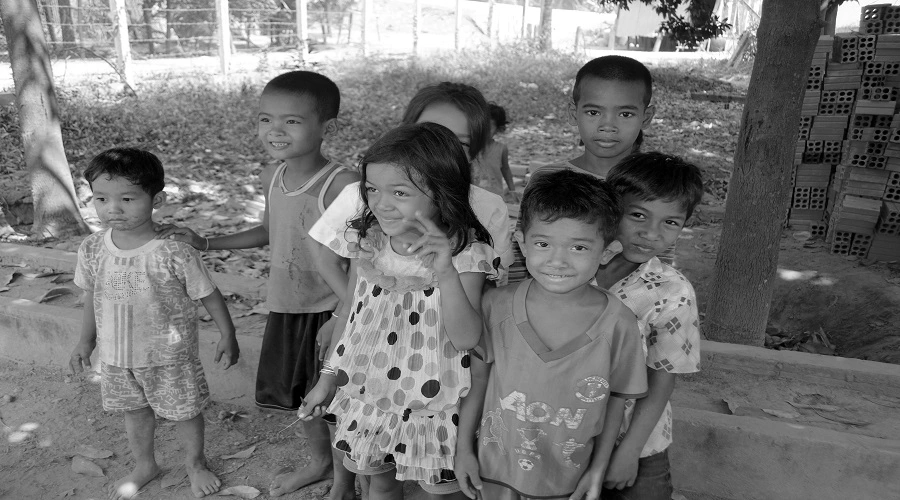
Donating to Darulinfaq for Youth will make an immediate and significant difference in the lives of your neighbors, while studies have also demonstrated how giving money activates pleasure centers in your brain, thus increasing happiness levels.
Charity and nonprofit organizations frequently host events where you can get involved with your community, too. Look out for opportunities at parks department cleanup events or animal shelters where your specific talents and skills can help others.
Kindness can also be spread by encouraging friends and family members to support a charity they care about, perhaps even sharing fundraiser pages on social media which will increase visibility for those organizations you are supporting and attract more potential donors.
3. Make a Difference in Your Life
Giving back is not only good for others; it can be extremely rewarding for you too. Research shows that giving is associated with higher levels of happiness and self-worth for the person giving.
Donating to causes that resonate with your values and beliefs brings meaning and purpose into life. A study where donors had control of where their money went found that when donors donated, their brain areas associated with pleasure and reward lit up when making such choices.
Many donors choose Darulinfaq because our mission embodies their beliefs about inclusion and community connection. By contributing, donors can connect with meaningful causes while making a significant contribution towards building their local communities.
Community’s Economy
Charitable donations help support the nonprofit organizations that comprise our community. This includes businesses and service providers such as our community theater, which relies on charitable contributions for actors, crew members and administrators while simultaneously contributing to economic growth by patrons buying drinks, tickets, food or souvenirs from them.
Nonprofits can leverage their combined resources and expertise to lobby state or federal governments for greater support or change, acting together as one powerful voice against issues too big for one organization to handle on its own. This can be a highly effective strategy to take on complex problems alone.
Giving to charity can also provide significant tax deductions; this makes charitable giving even more appealing financially.
Your Community’s Health
There is a dire need for health services across our communities and the country, which makes nonprofit organizations indispensable. By supporting them you can make an impactful contribution towards improving the overall wellbeing and health of your community.
Donors often find great fulfillment in supporting causes that reflect their values and beliefs, particularly if these causes directly address disabilities, illness or disease in someone they care about.
Before selecting an organization to support, it is crucial that you carefully evaluate their governance structure and leadership. Look for signs of transparency, accountability and measurable goals and outcomes.
Your Community’s Education
Education is essential to economic mobility; yet for many it remains out of reach. Donating to educational initiatives empowers students, uplifts communities and creates an enduring legacy of progress in society.
Nonprofit organizations and foundations serve as the backbone of educational advancement worldwide, drawing heavily upon charitable donations to fill funding gaps left by tuition, government grants and state appropriations allocations.
Your Community’s Safety
Public safety fundraisers provide vital support to initiatives that foster a sense of community in local neighborhoods. Through purchasing lifesaving equipment, funding training programs, and encouraging neighbourhood watches, these fundraisers directly contribute to people’s safety in the local community.
Disaster victims rely on charitable contributions for essential supplies after disasters to recover, yet the outpouring of generosity after these crises may show the best of human nature. Unfortunately, though, these can also clog supply chains with unwanted and low priority goods that impede emergency relief efforts.
Studies have shown that volunteers often feel better on the inside, experiencing decreased levels of physical pain and stress. Regular volunteering has been linked with longer lives and higher quality of living experiences.
Can donating blood lower LDL?
Donating blood is not considered a proven method for lowering LDL (bad) cholesterol. While regular blood donation may offer certain health benefits for some individuals, maintaining a healthy diet, exercising regularly, and following medical advice remain the most effective ways to manage cholesterol levels.
Can I donate blood if I have HPV?
In most cases, having HPV does not prevent you from donating blood, provided you are otherwise healthy and meet all donor eligibility requirements. Blood donation centers may have specific guidelines, so it is always best to discuss your medical history with the donation staff beforehand.
Can blood donation reduce fatty liver?
Blood donation is not a recognized treatment for fatty liver disease. However, in certain cases involving excess iron levels, therapeutic blood removal may be recommended by a healthcare professional. Managing fatty liver typically involves weight control, healthy eating habits, and regular physical activity.
What are the five types of donation?
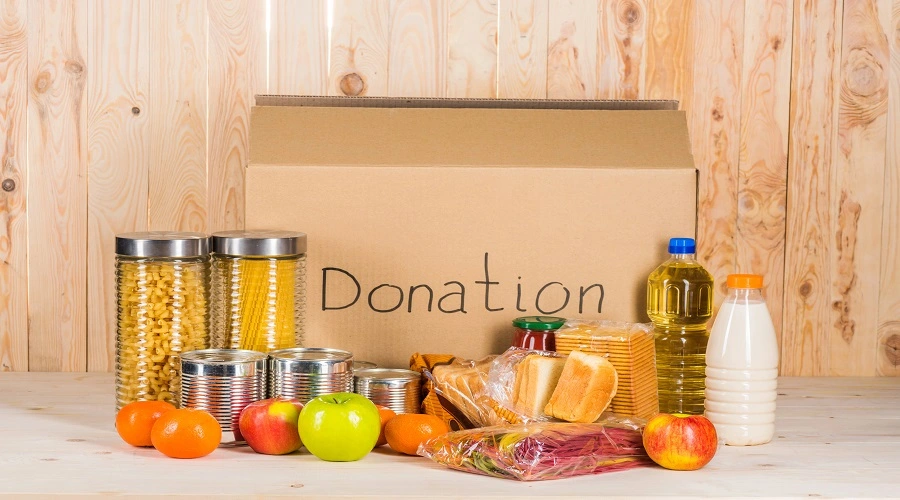
Five common types of donation include monetary donations, blood donations, organ donations, food donations, and in-kind donations such as clothing, furniture, or essential supplies. Each type plays an important role in supporting charitable organizations and helping individuals and communities in need.
How many types of donation are there in Islam?
Islam encourages several forms of charitable giving, including obligatory charity (Zakat), voluntary charity (Sadaqah), ongoing charity (Sadaqah Jariyah), endowments (Waqf), and charitable assistance during times of need. These forms of giving help support vulnerable individuals and strengthen communities through compassion and generosity.