
Many Muslims ask the important question: what is Zakat in Islam? Zakat is one of the five pillars of Islam and represents a core act of worship that connects faith with social responsibility. It is a mandatory charity that helps purify wealth while supporting those in need.
The meaning of Zakat in Islam goes beyond simple charity. It is a structured system designed to reduce poverty, strengthen communities, and ensure that wealth circulates fairly within society.
Understanding the definition of Zakat in Islam, who qualifies to receive it, and when it must be paid is essential for every Muslim seeking to fulfill this obligation properly.
What Is Zakat in Islam?
The word Zakat comes from an Arabic root meaning purification and growth. In Islamic teachings, Zakat refers to the obligation for eligible Muslims to donate a specific portion of their wealth annually to help those in need.
The definition of Zakat in Islam is the compulsory payment of 2.5% of a Muslim’s qualifying wealth once it reaches a minimum threshold known as Nisab.
Unlike voluntary charity (Sadaqah), Zakat is a religious duty. It ensures that wealth benefits the entire community, especially the poor and vulnerable. When Muslims fulfill Zakat sincerely, they not only support others but also purify their own wealth and strengthen their relationship with Allah.
The Importance of Zakat in Islam
The importance of Zakat in Islam is emphasized throughout the Quran and the teachings of Prophet Muhammad (peace be upon him). Zakat is often mentioned alongside prayer, showing its central role in Islamic life.
Purification of Wealth
One of the key aspects of the concept of Zakat in Islam is purification. By giving a portion of wealth to those who need it most, Muslims cleanse their earnings from greed and selfishness.
Supporting the Poor
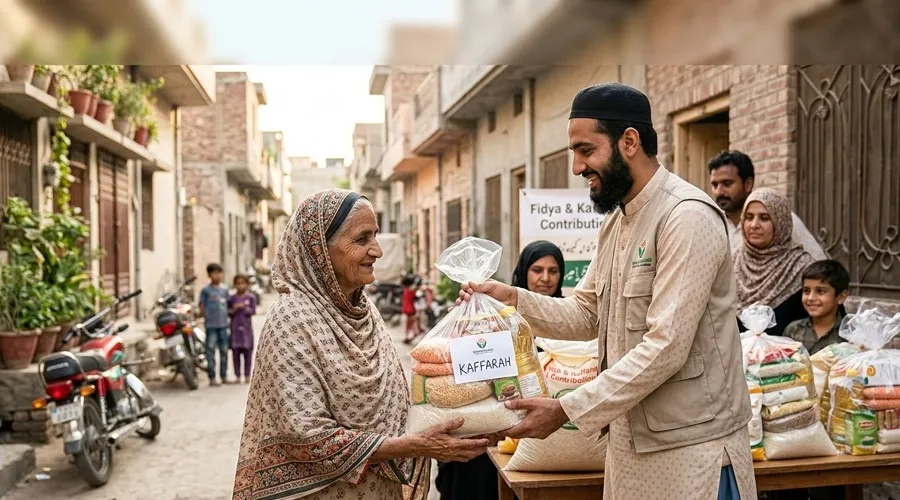
Zakat provides direct financial support to people struggling with poverty. It ensures that the most vulnerable members of society receive assistance.
Strengthening the Muslim Community
Through Zakat, Muslims build stronger communities based on compassion and mutual support. It encourages generosity and shared responsibility.
Spiritual Growth
Giving Zakat strengthens a Muslim’s faith by reminding them that wealth is a trust from Allah.
Who Is Eligible to Receive Zakat?
Islam clearly outlines who can receive Zakat. According to the Quran (Surah At-Tawbah 9:60), there are eight categories of people eligible for Zakat.
These include:
- The Poor (Al-Fuqara) – People with little or no income.
- The Needy (Al-Masakin) – Those who struggle to meet basic needs.
- Zakat Administrators – Individuals responsible for distributing Zakat funds.
- New Muslims – Those whose faith is being strengthened.
- Those in Debt – Individuals burdened by legitimate debts.
- In the Cause of Allah – Efforts that support community welfare.
- Travelers in Need – People stranded away from home without resources.
- Those Seeking Freedom from Bondage – Historically those seeking freedom from slavery.
These categories highlight the comprehensive concept of Zakat in Islam, ensuring assistance reaches people facing different types of hardship.
Who Must Pay Zakat?
Zakat is only obligatory for Muslims whose wealth reaches the Nisab threshold.
A person must pay Zakat if:
- Their savings or assets exceed the Nisab level
- They have possessed this wealth for one lunar year
- Their wealth includes qualifying assets such as cash, gold, or business profits
Assets that may be subject to Zakat include:
- Cash savings
- Gold and silver
- Business inventory
- Investments
- Rental income
Items used for daily living, such as homes, clothing, and personal vehicles, are not subject to Zakat.
When Is Zakat Payment Due?
Zakat becomes due once a lunar year has passed since wealth reached the Nisab threshold. Although Zakat can be paid at any time during the year, many Muslims choose to pay it during Ramadan, when acts of charity carry greater spiritual reward.
Proper calculation and timely distribution ensure that Zakat fulfills its intended purpose of supporting those who need it most.
Paying Your Zakat Through Darul Infaq Foundation
If you are looking for a reliable and transparent way to fulfill your Zakat obligation, Darul Infaq Foundation provides a trusted platform for distributing Zakat to deserving communities.
Darul Infaq Foundation ensures that Zakat funds reach eligible recipients such as:
- Low-income families
- Orphans
- Widows
- Individuals facing financial hardship
- Communities in urgent need
Through carefully managed programs including food assistance, orphan sponsorship, and emergency relief, Darul Infaq ensures that your Zakat creates meaningful and lasting impact.
Final Thoughts
Understanding what is Zakat in Islam helps Muslims appreciate its deeper spiritual and social significance. Zakat purifies wealth, supports vulnerable individuals, and strengthens the bonds of community. By fulfilling this obligation sincerely and ensuring it reaches those who truly need it, Muslims contribute to a more compassionate and balanced society.
Through organizations like Darul Infaq Foundation, your Zakat can directly support families in need while fulfilling one of the most important pillars of Islam.